5 Cold-Weather Walking Rules That Keep You Moving
November has a way of quietly shrinking a walking habit. The mornings get darker, the air gets sharper, and the couch starts making a very convincing case.

This post contains affiliate links. If you purchase through our links, we may earn a commission at no extra cost to you. We only recommend products we've researched and would use ourselves.
1. Warm Up Indoors First
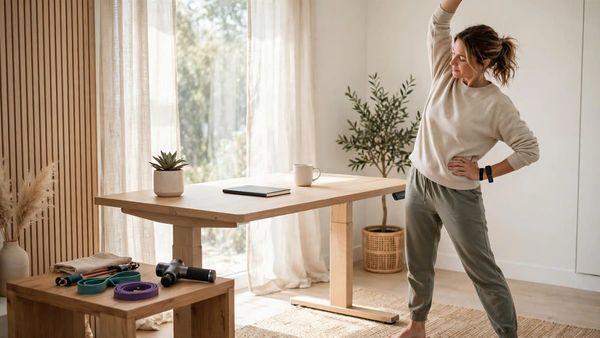
Cold muscles do not like surprises, and neither do cold joints. Spend five minutes inside before stepping out: march in place, swing your arms, do a few slow squats, and roll your shoulders. The goal is not a workout before the workout. The goal is arriving at the front door already warm, so the first block feels like a continuation instead of a shock.
This one rule also fixes the most common cold-weather excuse. Most people quit in the first five minutes, when the body is still adjusting. When you start warm, that adjustment period mostly disappears. You walk farther, you enjoy it more, and you come home feeling like you actually did something rather than simply enduring something. Think of the indoor warm-up as the price of admission, and a cheap one at that: five minutes, no equipment, no extra trip anywhere.
2. Dress for the Second Mile, Not the First Minute
The classic cold-weather mistake is dressing for the doorstep. You feel chilly standing still, so you pile on layers, and then ten minutes later you are overheating, sweating under a heavy coat, and peeling things off with nowhere to put them. Dress instead for how you will feel at mile two, when your body is generating real heat.
A good formula is three light layers: a moisture-wicking base, an insulating middle, and a windproof outer shell you can unzip. Add a hat and gloves, since heat escapes fast from the head and hands, and choose shoes with grip for wet leaves and frosty sidewalks. The whole setup costs far less than a gym membership over a winter, and most of it is gear you already own. If you feel slightly cool for the first three minutes, you dressed exactly right.
3. Track It or It Will Slip
Walking habits rarely collapse in one dramatic moment. They slip, a day at a time, until a week has passed and nobody can remember the last walk. Tracking stops that slide because it turns a vague intention into a visible streak. A simple daily step count, a logged walk, or a checkmark on the calendar all work. What matters is the record, not the tool.
A tracker like the Fitbit Charge 6 makes this effortless, logging steps, heart rate, and sleep without any daily paperwork. But even a paper calendar works if you use it honestly. Set a floor, not a ceiling: a short walk counts, a slow walk counts, a walk around the block in the rain counts. The streak is the point. Once you see twenty days in a row, skipping day twenty-one starts to feel like breaking something real, and that feeling is worth more than any motivational quote.
4. Recover Like It Counts
Cold-weather walking is real exercise, and your body treats it that way even when the walk itself feels gentle. Tight calves, stiff hips, and sore knees show up faster in November, partly because cold muscles tighten sooner and partly because people skip the cooldown when they are eager to get back inside. Do not skip it. Spend three minutes stretching calves, quads, and hip flexors once you are back indoors and warm.
A short resistance routine on non-walking days keeps the supporting muscles strong, and a Resistance Band Set (5-pack) covers that work for very little money and almost no storage space. For stubborn tight spots, a compact massage device helps you work out knots before they turn into a reason to skip tomorrow. Recovery is not pampering. It is maintenance, and walkers who maintain their bodies keep walking while everyone else quietly quits by December.
5. Hydrate Even When You Are Not Thirsty
Cold air suppresses thirst, which is exactly why winter dehydration sneaks up on people. You breathe out moisture with every breath, you sweat under those layers from rule two, and yet you never feel thirsty. The result is a walk that ends with a headache, fatigue, or a surprising amount of soreness, all blamed on the cold when the real culprit was a water bottle left at home.
Drink a glass of water before you head out, carry water on walks longer than half an hour, and drink again when you get home, whether you feel thirsty or not. On longer or sweatier walks, electrolytes help replace what sweat takes out, especially on days when plain water alone leaves you feeling flat. Good hydration is the cheapest performance upgrade available, and it works in every season, not just summer.
Our Top Picks
| Product | Why it helps a cold-weather walker |
|---|---|
| Fitbit Charge 6 | Tracks steps, heart rate, and sleep so the streak stays visible |
| Resistance Band Set (5-pack) | Strengthens walking muscles at home with almost no space needed |
| Therabody Theragun Mini Plus | Works out tight calves and hips after cold walks |
| LMNT Zero Sugar Electrolytes, Variety Pack | Replaces electrolytes lost through sweat, even in cold air |
| Future Kind Magnesium Glycinate | Supports muscle recovery and restful sleep after active days |
Check current price on each product before ordering, since prices and availability change.
The Bottom Line
Cold weather does not end a walking habit. Drift does, and drift starts with skipped warm-ups, overdressed miles, untracked days, ignored recovery, and forgotten water. Fix those five things and November becomes just another month of walking, not the month the habit died. Pick one rule to start with today, add the rest over the next week, and keep moving while everyone else waits for spring.