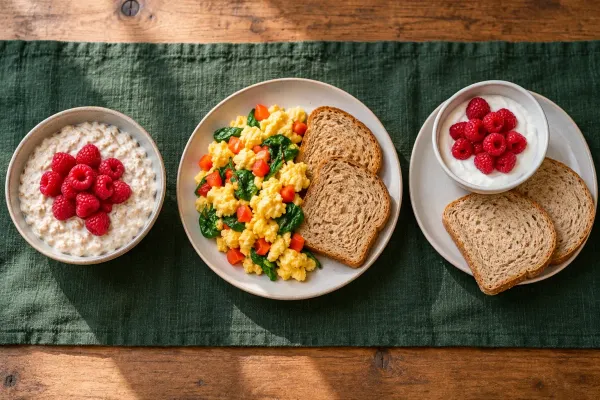
3 Protein + Fiber Breakfasts You Can Make Without Another Powder
Choose a make-ahead oat bowl, a hot egg-and-toast plate, or a no-cook yogurt plate. Each starts with ordinary groceries and equipment you may already own.

Choose a make-ahead oat bowl, a hot egg-and-toast plate, or a no-cook yogurt plate. Each starts with ordinary groceries and equipment you may already own.
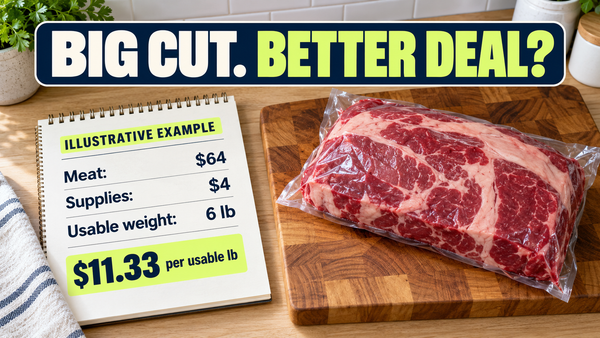
A bigger cut is only a bargain if you use it. Work through the real-cost math, compare three scale options, and plan storage before buying.
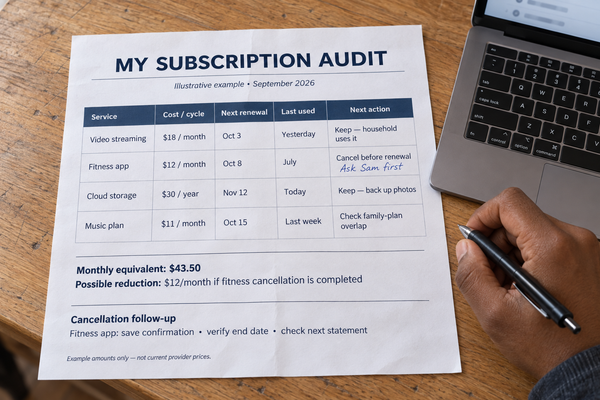
Find what is worth keeping with a 15-minute subscription audit, a practical worked example, and a prompt to make your own printable worksheet.
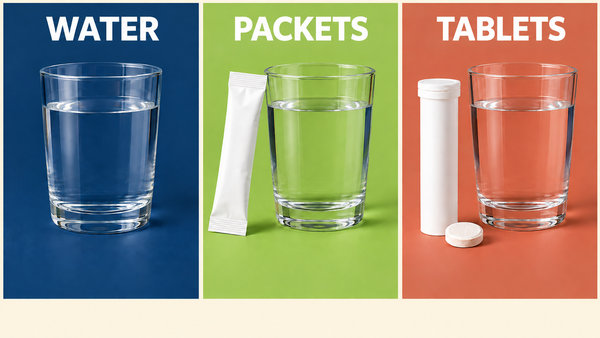
A practical guide to deciding when an electrolyte packet is convenient, when water may be enough, and what to check before buying.
Electrolyte drink mixes are convenient. They can also be surprisingly expensive for what is, at its core, a measured combination of minerals and flavor. The useful question is not whether a DIY packet is automatically “better.” It is whether the savings are worth the extra measuring, sourcing, testing, and responsibility.
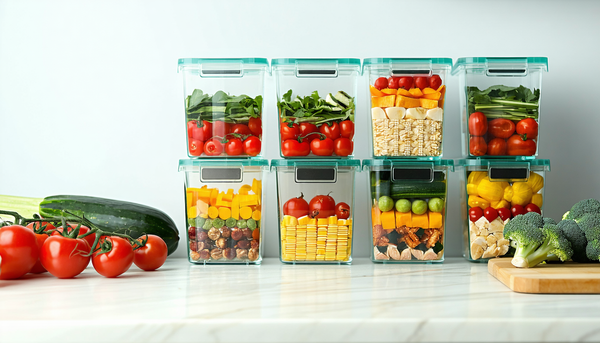
A safer meal-prep routine uses the refrigerator for the first few days, the freezer for later meals, and flexible ingredients for everything in between.

Build a food-prep routine around safe storage, flexible recipes, frozen options, and the kitchen tools that actually earn their space.

If your income changes from month to month, a traditional savings rule can feel disconnected from real life. A fixed automatic transfer may be easy to set up when business is good and painful when a slow month arrives. The better approach is to build an emergency fund around cash-

Low energy does not always require another supplement, gadget, or complicated routine. Start with consistent sleep, morning movement, and steady meals with enough water.

Five practical money habits can help your paycheck go further: give every dollar a job, build a cash buffer, automate progress, and slow down impulse spending.

Four practical wisdom habits can improve everyday decisions: pause before reacting, use a simple filter, protect attention and relationships, and review mistakes without rumination.

Resilience isn't about being tough or never breaking down. Science shows it's a skill you build — through environment, emotional intelligence, and daily habits. Here's what resilience really means and how to strengthen yours.