5 Warm-Up Rules for Cold-Weather Workouts
Cold air changes everything about a workout. Muscles that feel loose in July feel stiff and slow in January, and that stiffness is the gap where pulled muscles and cut-short sessions live.


This post contains affiliate links. If you purchase through our links, we may earn a commission at no extra cost to you. We only recommend products we've researched and would use ourselves.
Why Cold Weather Changes the Warm-Up
Cold air changes everything about a workout. Muscles that feel loose in July feel stiff and slow in January, and that stiffness is the gap where pulled muscles and cut-short sessions live. A cold-weather workout does not need to be longer. It needs a smarter warm-up.
Five rules make the same workout winter-proof: ramp-up time, dynamic moves, first-ten-minutes layers, pre-workout hydration, and recovery after.
Warm muscles are elastic. Cold muscles are not. When your body is cold, blood flow to your muscles drops, joints feel tighter, and range of motion shrinks — so the first ten minutes of a winter workout carry more risk than the first ten minutes of a summer one. Your warm-up has a real job to do, and skipping it costs more in January than it does in June.
Rule 1: Double Your Ramp-Up Time
In warm weather, five minutes of easy movement is often enough to feel ready. In cold weather, give yourself ten.
Start with five minutes of light movement — an easy walk, a slow jog, or marching in place. The goal is to raise your core temperature and get blood moving. You should feel noticeably warmer before anything intense.
Then spend five more minutes on movements that match your workout — leg swings before a run, the same lifts with light weight before lifting. The ramp-up should mirror the workout, just at half speed.
A tracker helps, because "feeling warm" is easy to rush. The Fitbit Charge 6 shows your heart rate climbing in real time, so you can see whether you have actually warmed up. Check current price if you want a simple way to keep winter warm-ups honest.
Rule 2: Move Dynamically — Save Static Stretching for After
This is the rule most people get backwards. Holding a long static stretch on a cold muscle does not warm it up. It pulls on tissue that is still stiff and can reduce the power you bring to the workout.
Dynamic movement is the winter answer. Leg swings, arm circles, hip openers, lunges, and high knees raise your temperature while moving your joints through their full range. You are warming the muscle by using it, not by pulling on it.
Save static stretches for after your workout, when your muscles are warm and a long hold actually helps.
Resistance bands make a dynamic warm-up feel structured instead of random. A five-band set gives you five resistance levels for band pull-aparts, monster walks, and glute activation. Check current price on the Resistance Band Set (5-pack) in our picks below and keep it by the door.
Rule 3: Layer for the First 10 Minutes
The first ten minutes of a cold-weather workout are a clothing problem, not a fitness problem. You start cold, warm up fast, and overheat in everything you started in. The fix is layers you can shed.
Start with one more layer than you think you need — a light jacket or a long-sleeve over your base layer — and plan to take it off around minute ten. Gloves and a beanie keep your hands and ears from going numb.
The common mistake is dressing for how you feel standing still. Dress for how you will feel ten minutes in, with one removable layer covering the gap. After a few sessions you will know your formula — and it changes with the temperature, so keep adjusting.
Rule 4: Hydrate and Replace Electrolytes Before You Start
Cold weather hides thirst. You sweat less obviously in winter, and your brain's thirst signal gets quieter when you are cold. That means a lot of winter workouts start mildly dehydrated — and mild dehydration makes everything feel harder.
The fix is simple: drink before you feel thirsty. Have a full glass of water in the hour before your workout, and if you are training for more than 45 minutes, add electrolytes. Sodium, potassium, and magnesium are what you lose in sweat — replacing them keeps your muscles firing.
LMNT Zero Sugar Electrolytes, Variety Pack is our pick — zero-sugar, with a solid electrolyte profile in four flavors. Check current price if pre-workout hydration is the part of your routine you keep skipping. Mix one stick into your water bottle before you head out.
Rule 5: Cool Down, Then Use Cold Therapy — Don't Skip Recovery
The warm-up gets all the attention, but the cool-down is where winter workouts are won or lost. Stopping hard exercise in cold air and standing around in sweaty clothes is a fast way to get chilled, stiff, and sore — and that tightness is what you carry into tomorrow.
Spend five minutes bringing your heart rate down gradually — an easy walk or slow pedaling — then get out of sweaty layers and into something dry. Staying warm after you stop lets your muscles relax instead of seizing up.
Once you are warm and dry, a few minutes with a massage gun on the muscles you worked hardest is a great way to finish. The Theragun Mini Plus is our best-overall pick — compact, with heat built in. Check current price if you want the polished option; the LifePro Sonic Percussion Massage Gun below does the same core job for less.
For days when a workout leaves you with a pounding head or sore spots that need cold, the TheraICE Headache Relief Cap pulls double duty: chill it, pull it on, and you get cold therapy plus darkness in one piece. A nightly magnesium habit — Future Kind Magnesium Glycinate is our pick — supports muscle recovery and sleep.
The 7 Picks at a Glance
| Product | Best for | Why it made the list |
|---|---|---|
| Theragun Mini Plus | Best overall massage gun | Compact, heated, built for travel and daily use |
| LifePro Sonic Percussion Massage Gun | Budget massage gun | The same core percussive job at a friendlier entry point |
| Resistance Band Set (5-pack) | Dynamic warm-up bands | Five levels for warm-ups, activation, stretching |
| TheraICE Headache Relief Cap | Cold therapy for post-workout | Wearable cold compress that also blocks out light |
| Future Kind Magnesium Glycinate | Muscle recovery and sleep support | Gentle, well-absorbed magnesium for a nightly routine |
| LMNT Zero Sugar Electrolytes, Variety Pack | Pre-workout hydration | Zero-sugar electrolytes, strong sodium-potassium-magnesium profile |
| Fitbit Charge 6 | Track warm-up, heart rate, recovery | Heart rate, sleep, activity tracking that shows if your routine works |
Our Top Picks
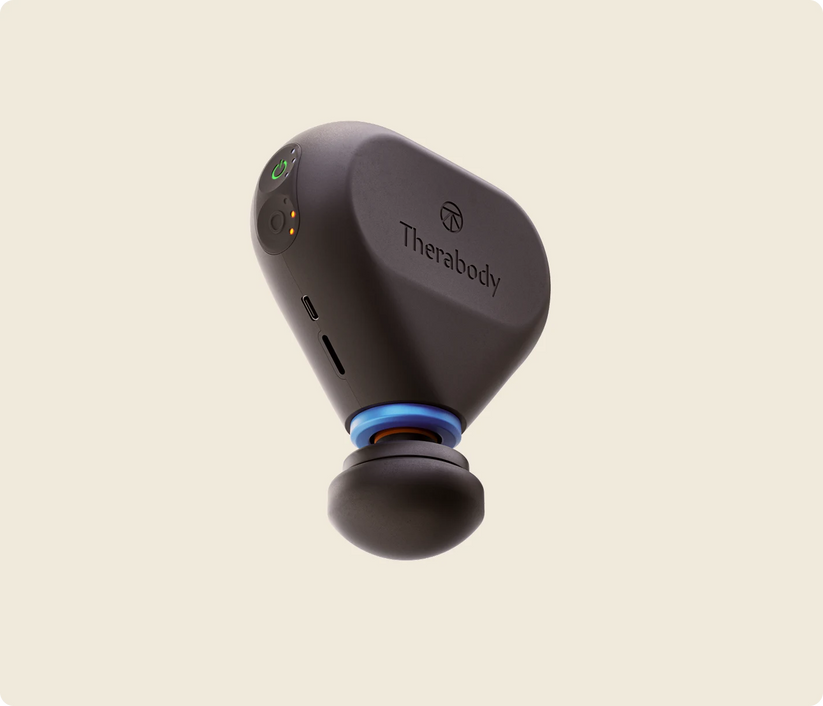
1. Theragun Mini Plus — best overall massage gun. The travel-sized Theragun with heat built in, made for fast recovery. It is for you if you want the strongest pocket-sized percussive massager. Its job: warm and loosen tight muscles after a cold-weather workout. Check current price.

2. LifePro Sonic Percussion Massage Gun — budget massage gun. The value pick: a full-size sonic percussion gun with the speeds and attachments you need. It is for you if you want percussive relief without a premium brand name. Its job: the same core post-workout massage — shoulders, back, legs — at a friendlier entry point. Check current price.

3. Resistance Band Set (5-pack) — dynamic warm-up bands. Five loop bands in different resistance levels, light enough to live in a drawer by the door. It is for you if you want a structured dynamic warm-up without a gym. Its job: turn a random warm-up into a repeatable routine. Check current price.

4. TheraICE Headache Relief Cap — cold therapy for post-workout. A wearable cold compress you chill and pull on like a cap, covering your head and eyes. It is for you if hard workouts leave you with a pounding head or sore spots that need cold, not heat. Its job: cold therapy plus total darkness, in one piece you keep in the freezer — and it works for sore muscles and headaches alike. Check current price.
5. Future Kind Magnesium Glycinate — muscle recovery and sleep support. A chelated magnesium glycinate supplement in vegan capsules, a form known for gentle absorption. It is for you if you want a simple nightly habit to support muscle recovery and sleep. Its job: a small, repeatable evening ritual for recovery and sleep. Check current price.

6. LMNT Zero Sugar Electrolytes, Variety Pack — pre-workout hydration. A zero-sugar electrolyte mix with a strong sodium, potassium, and magnesium profile in four flavors. It is for you if you train in the cold and keep forgetting to hydrate before you start. Its job: replace what you lose in sweat, with no sugar. Check current price.

7. Fitbit Charge 6 — track warm-up, heart rate, recovery. A slim fitness tracker with heart-rate monitoring, sleep tracking, and activity tracking. It is for you if you want proof your warm-up is working. Its job: turn your winter warm-up habits into numbers you can check each morning. Check current price.
The Bottom Line
Cold weather does not make winter workouts dangerous. Skipping the warm-up does. Double your ramp-up, move dynamically, layer for the first ten minutes, hydrate before you feel thirsty, and cool down properly. Five rules, ten extra minutes, and your body stops fighting the cold.
Start with the rule you break most often — for most people, the ramp-up. Fix that one this week, add the next rule the week after, and by the time the coldest days arrive, the whole system will feel automatic. Follow @upgrade.daily.drops for more everyday upgrades.