Is Your Wallet Ready for Black Friday Week?
Black Friday Week starts November 19 — set your spending cap, write your list, and check the price history before you believe any discount. Your wallet is ready when the plan is done before the sale starts.


This post contains affiliate links. If you purchase through our links, we may earn a commission at no extra cost to you. We only recommend products we've researched and would use ourselves.
1. Set the Cap Before the Sale Sets It for You
Black Friday Week starts Thursday, November 19, at 12:01 a.m. PT, and it runs through Cyber Monday, November 30. That is twelve days of deals, and Amazon has said its Today's Big Deals will feature savings of up to 60% off, with double drops at midnight and 8 a.m. PT on Black Friday (Friday, November 27) and Cyber Monday.
So before a single deal goes live, decide on one number: your total Black Friday Week budget. One hard number for the whole twelve days, written down somewhere you will actually see it. If you share finances with a partner, agree on it together now, while no countdown timer is running. The number does not need to be impressive. It needs to be real — an amount you can spend without touching rent, bills, or savings you already earmarked for something else.
Here is why the cap comes first: every part of a sale event is designed to make you decide in the moment. Flash deals, limited stock warnings, and "only a few left" notices all push you toward buying now and thinking later. A pre-set cap flips that around. When a deal pops up, the question is no longer "do you want this?" — of course you want it, that is what the ad is for. The question becomes "does this fit inside the number you already chose?"
- Pick one number for all twelve days: a total, not a per-item guess.
- Write it down where you will see it: a note on your phone or at the top of your list.
- Decide the end rule now: when the cap is hit, the sale is done — no exceptions.
2. Write the List Now — and Use the 30-Day Rule
The second move is just as simple, and it is the one that saves the most money: write your shopping list this week, before November 19. Not a wish list. A real list of things you were already planning to buy — the gifts you need for December, the household item that is wearing out, the one upgrade you have been putting off. If it is not on the list, it is not a Black Friday purchase. It is an impulse buy wearing a discount costume.
Writing the list now does two things. First, it forces you to think about what you actually need while you are calm. Second, it gives you a filter for the entire twelve days: when a deal appears, you check it against the list. On the list? Compare the price and decide. Not on the list? You already made your decision — back in November, when you were thinking clearly.
For anything that is not on the list but still tempts you, use the 30-day rule. Write the item down, note the sale price, and wait thirty days. If you still want it on December 19 — after the sale is long gone — then it was a real want, and you can buy it at whatever the regular price is then. Most of the time, you will not remember writing it down. That is the rule working.
There is a useful exception, and it is worth naming: genuine gifts. If someone on your gift list would love an item and the sale price is good, that belongs on the list — but put the person's name next to it. "Headphones for Dad" is a plan. "Headphones, maybe, for someone" is a rationalization.
- List only what you were already planning to buy: gifts, replacements, and one planned upgrade.
- Put a name next to every gift: no names, no purchase.
- Not on the list, not in the cart: that is the whole rule — no debate in the moment.
- Use the 30-day rule for everything else: write it down, wait thirty days, and see if you still care.
3. "Up to 60% Off" Is Marketing Until You Check the Price History
Amazon says its Today's Big Deals will feature savings of up to 60% off on Black Friday and Cyber Monday. Read that sentence carefully: "up to." That phrase covers everything from a genuine 60% cut on one item to a 5% trim on another, and the headline number is always the biggest one in the batch. A deal is not a bargain because the banner says so. It is a bargain because the price is lower than what the item usually sells for — and the only way to know that is to check the price history.
Before you buy anything on sale, look up what it cost last month. Price-tracking tools and browser extensions keep a record of an item's price over time, and a thirty-second check tells you whether today's "deal" is a real drop or a price that was quietly raised in October so it could be "cut" in November. If an item was selling for the same price two weeks ago, the discount is a story, not a saving.
The same skepticism applies to the urgency. "Only a few left" and "selling fast" are often true during a big sale — but they are also the default language of a sale page. Stock does run out, and the best deals on Black Friday and Cyber Monday can sell out within hours, according to Amazon. If an item is on your list and the price history checks out, buy it and move on. If it is not on your list, let it sell out.
One more check worth making: compare the sale price against at least one other retailer before you buy. Walmart's Early Black Friday event runs November 12–15, with its main Black Friday event November 23–29 and Cyber Monday deals November 30–December 2.
- Check the price history first: if it cost the same last month, the "discount" is a story.
- Ignore the percentage, compare the price: "up to 60% off" is a headline, not a promise about your item.
- Let non-list items sell out: scarcity is not a reason to buy something you did not plan to own.
- Cross-check one other store: Walmart and other retailers run overlapping events with their own prices.
4. Know the Drop Times — and Plan Around Them
Black Friday Week is not one sale. It is twelve days of daily themed deal drops, and the timing matters because the best deals do not all appear at once. Amazon has said its Today's Big Deals will drop twice on Black Friday and Cyber Monday — at midnight and at 8 a.m. PT.
Here is the calendar to keep on your phone:
| Date | What Happens | Your Move |
|---|---|---|
| November 12–15 | Walmart Early Black Friday Deals | Compare prices now, before Amazon's event starts |
| Thursday, November 19, 12:01 a.m. PT | Amazon Black Friday Week begins | Check your list items; buy only what is on it |
| November 19–30 | Daily themed deal drops, 12 days | Check once a day, at a set time, not all day |
| Friday, November 27 | Black Friday — double drops at midnight and 8 a.m. PT | Check the two drop times, then step away |
| Monday, November 30 | Cyber Monday — double drops at midnight and 8 a.m. PT, last day | Final list check; after this, the sale is done |
The practical move is to pick one or two check-in times per day and stick to them. Ten minutes in the morning, ten minutes in the evening. Outside those windows, close the shopping apps.
Finally, give yourself a hard stop. When Cyber Monday ends on November 30, the event is over. The point of a readiness plan is that it ends: you bought what you planned to buy, at prices you verified, inside a cap you set before the noise started.
Our Top Picks
The six picks below are the tools for the plan: the books that teach the spending rules, and the writing tools that make the list real. Check current price on Amazon before you buy.
| Product | Best For | Why It Made the List |
|---|---|---|
| Atomic Habits by James Clear | Building the list habit | Small, repeatable systems beat big one-time willpower |
| The Psychology of Money by Morgan Housel | Understanding sale-week impulses | Shows why smart people make emotional money decisions |
| I Will Teach You to Be Rich by Ramit Sethi | Setting your spending cap | A conscious spending plan that automates the hard parts |
| reMarkable 2 Tablet | Your paper-like planning hub | Lists, budgets, and notes in one distraction-free place |
| Moleskine Smart Writing Set | Writing the list by hand | Handwritten lists that sync to your phone |
| Kindle Paperwhite (16GB) | Reading instead of scrolling deals | Your books, anywhere, without the shopping apps |

1. Atomic Habits by James Clear — What it is: a guide to building good habits through tiny, repeatable changes. Who it is for: anyone whose plan falls apart when a countdown timer appears. Its job: it teaches you to design small systems — a written list, a daily check-in time — that hold up when willpower does not. Atomic Habits by James Clear on Amazon — check current price.
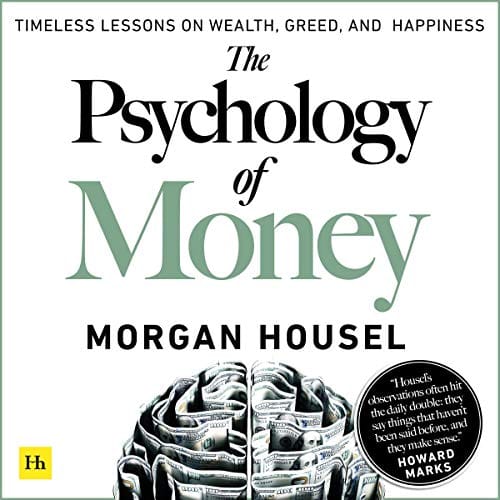
2. The Psychology of Money by Morgan Housel — What it is: short lessons on wealth, greed, and happiness, focused on how people actually behave with money. Who it is for: anyone who has bought something on sale and regretted it by January. Its job: it explains why sale urgency works on smart people, so you can spot the feeling and ignore it. The Psychology of Money by Morgan Housel on Amazon — check current price.
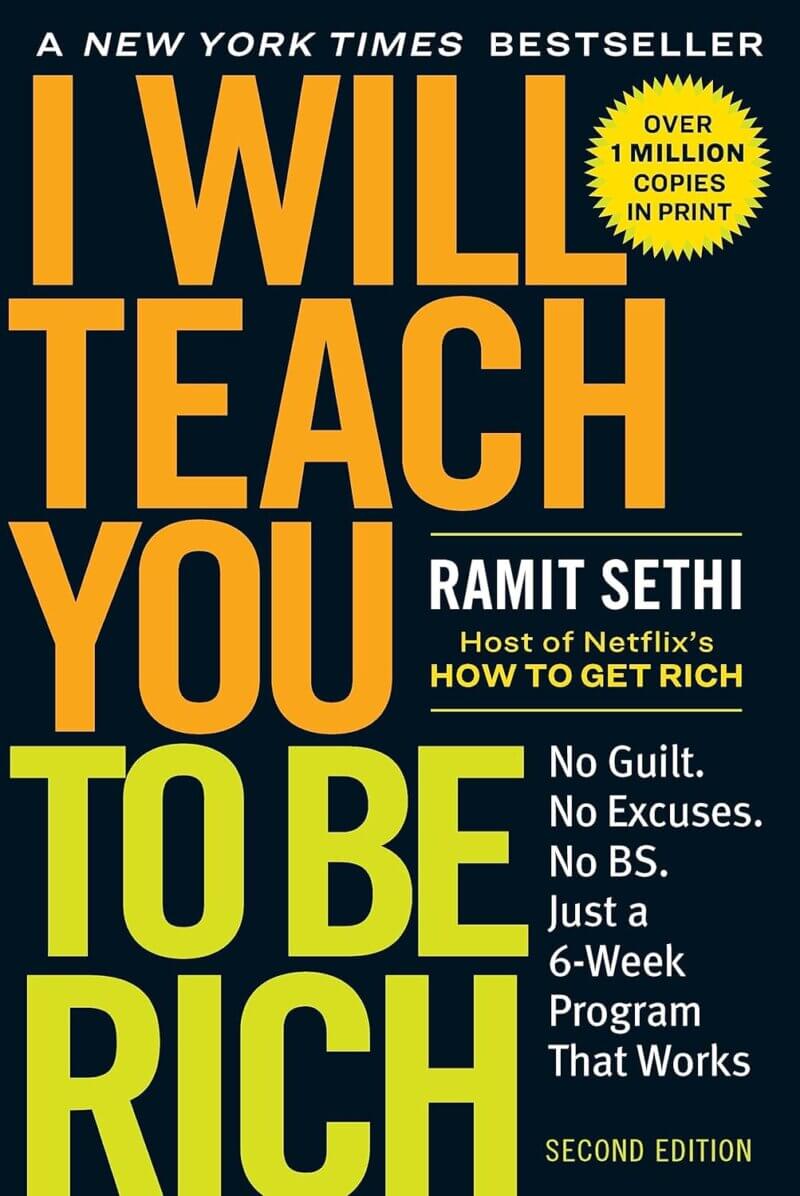
3. I Will Teach You to Be Rich by Ramit Sethi — What it is: a six-week program for automating your finances and spending on what you love without guilt. Who it is for: anyone who needs a real spending cap, not a vague intention to "spend less." Its job: it shows you how to build a conscious spending plan and automate it, so the cap enforces itself. I Will Teach You to Be Rich by Ramit Sethi on Amazon — check current price.
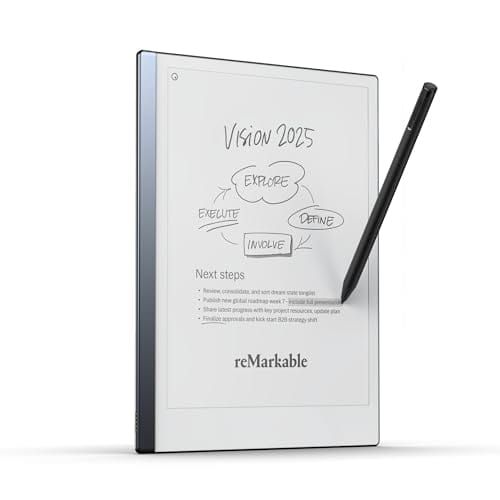
4. reMarkable 2 Tablet — What it is: a paper-like writing tablet with a 10.3-inch display and a pen that feels like writing on paper, with no apps, ads, or notifications. Who it is for: anyone who plans on paper but loses the paper. Its job: your shopping list, spending cap, and 30-day-rule notes live in one distraction-free place. reMarkable 2 Tablet on Amazon — check current price.
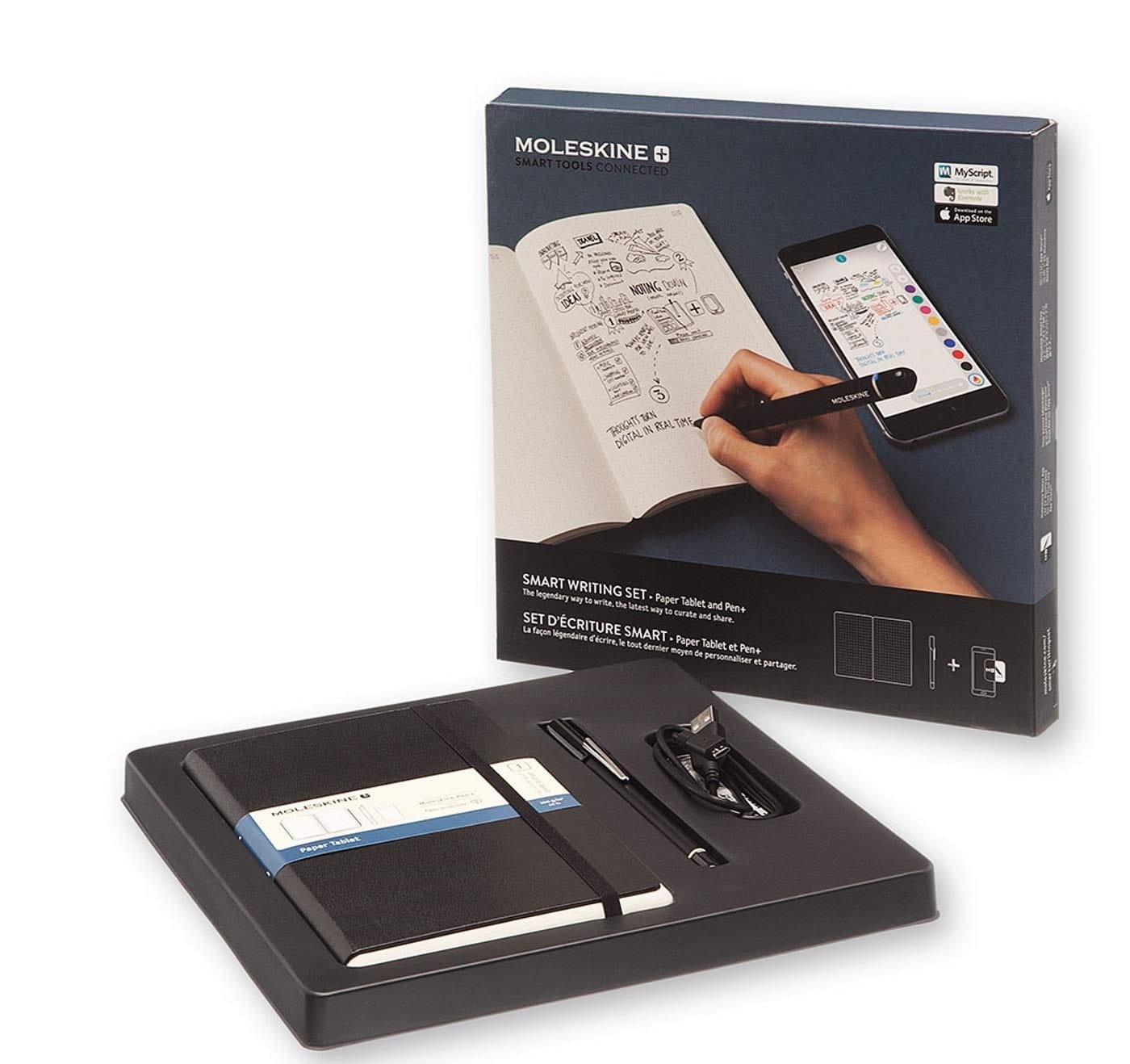
5. Moleskine Smart Writing Set — What it is: a Pen+ Ellipse smart pen and a ruled Paper Tablet notebook that digitizes your handwriting as you write. Who it is for: anyone who thinks better with a pen in hand but wants the list on their phone too. Its job: write your Black Friday list by hand — writing it makes it stick — and keep a synced copy ready when you shop. Moleskine Smart Writing Set on Amazon — check current price.
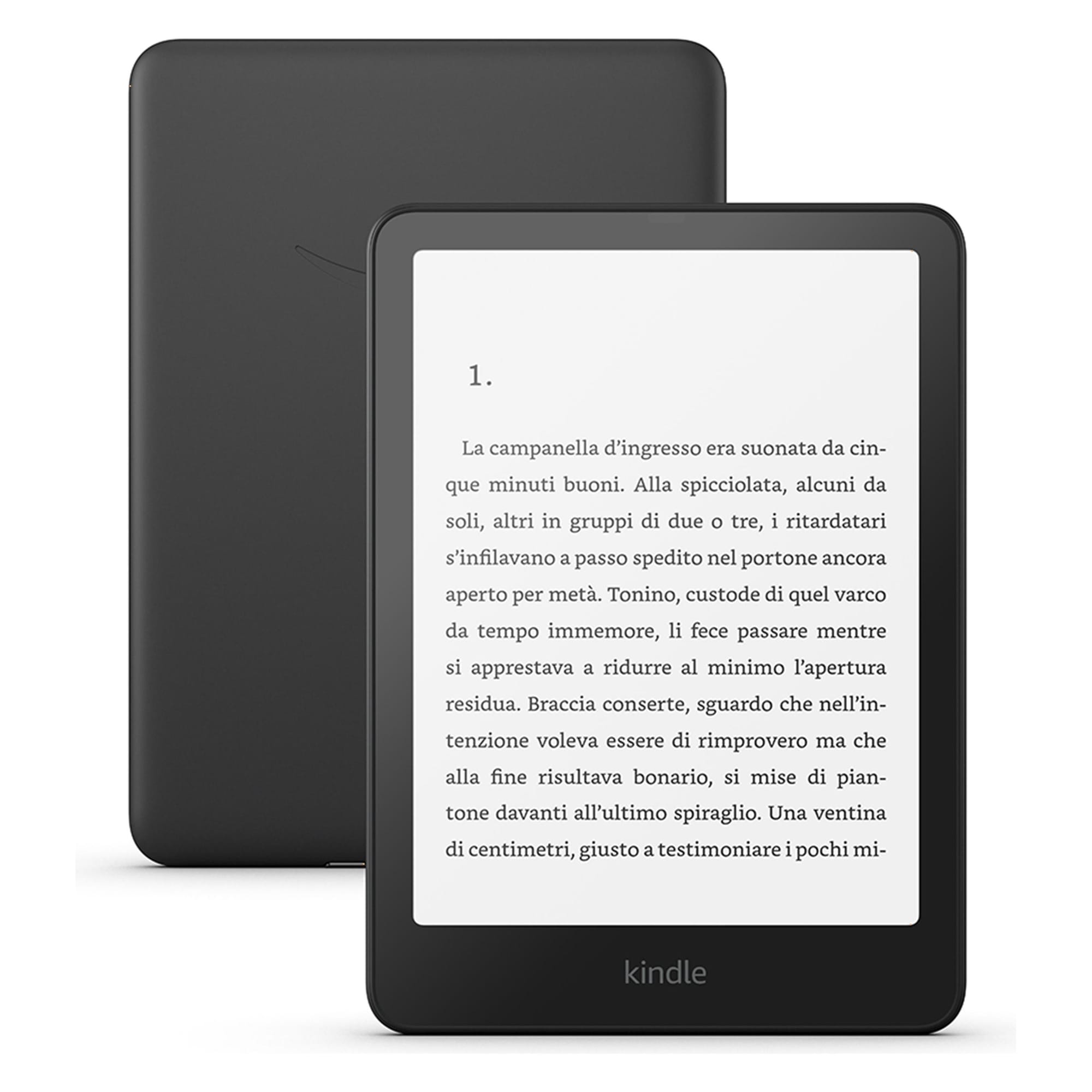
6. Kindle Paperwhite (16GB) — What it is: a glare-free e-reader with 16GB of storage and weeks of battery life. Who it is for: anyone whose sale-week downtime turns into deal scrolling. Its job: when your two daily deal check-ins are done, pick up a book instead of refreshing a shopping app. Kindle Paperwhite (16GB) on Amazon — check current price.
The Bottom Line
Black Friday Week runs November 19 through November 30, with the biggest drops on Black Friday, November 27, and Cyber Monday, November 30. Your wallet is ready when three things are done before November 19: a spending cap written down, a shopping list with names on every gift, and a promise to check the price history before you believe any discount. Do the work this week, check the drops twice a day, and when the cap is hit, the sale is over.