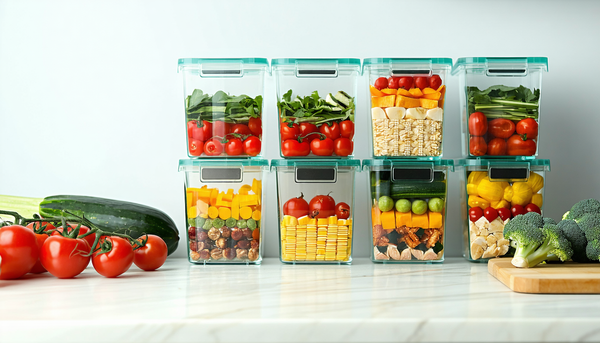
The Smarter Food-Prep System for Real Life
Build a food-prep routine around safe storage, flexible recipes, frozen options, and the kitchen tools that actually earn their space.

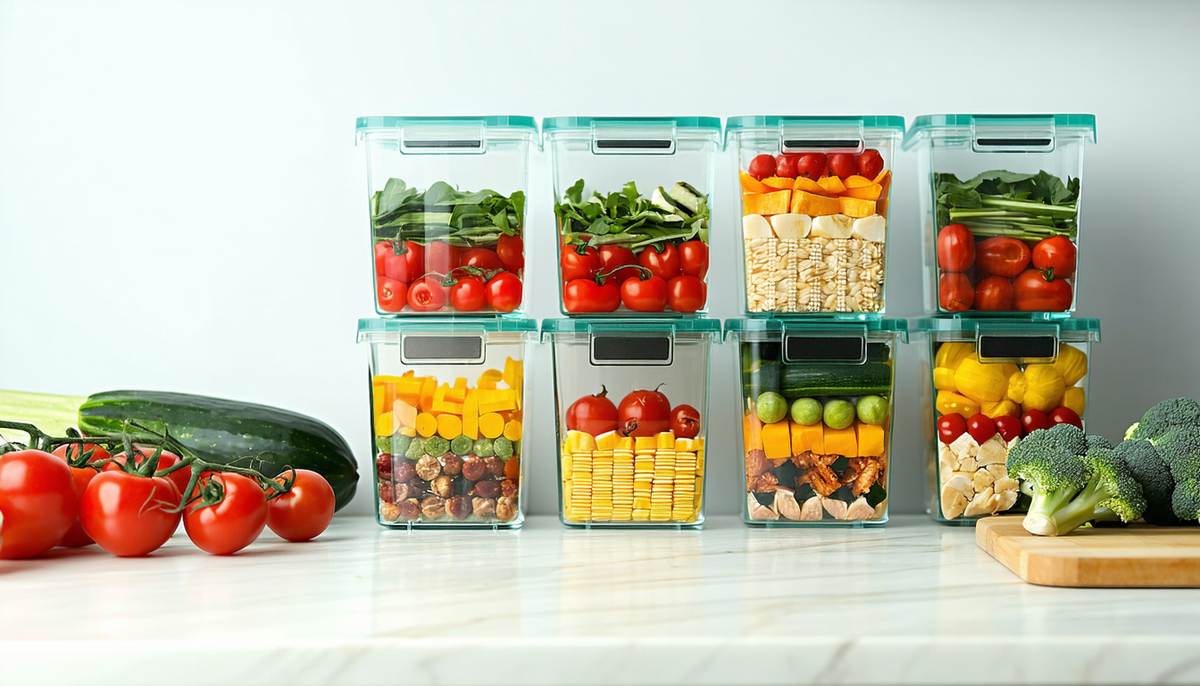
Food prep is often sold as a Sunday marathon: cook seven meals, pack seven containers, and never think about dinner again. It sounds efficient until the third day, when the vegetables are tired, the meal feels repetitive, and the last containers have been sitting in the refrigerator longer than they should.
The better goal is not to prepare every meal in advance. It is to make the next good meal easier to assemble.
This series is about a practical food-prep system built around three ideas: prepare what will stay fresh, freeze what should wait, and keep enough flexible ingredients on hand to handle the week you actually have.
Food prep begins with a safety window
The refrigerator is useful, but it is not a pause button. FoodSafety.gov lists three to four days for many cooked leftovers, including cooked meat and poultry, soups, stews, casseroles, and similar prepared foods when stored at 40°F or below. That means a Sunday batch should not automatically become seven refrigerated lunches.
Prepare a few days of ready-to-eat meals, then freeze the portions intended for later. If food will not be eaten within the recommended window, freezing is the safer part of the plan—not an emergency rescue after a week in the refrigerator.
Food also needs to be cooled and stored promptly. USDA guidance recommends refrigerating or freezing leftovers within two hours, or within one hour when the temperature is above 90°F. Divide large batches into shallow containers, label them with the date, and keep the oldest food easiest to see.
For the full safety framework, start with [Don’t Meal-Prep Seven Days of Food: Use This Safer System](/content/articles/dont-meal-prep-seven-days-safer-system.md).
Build meals from a few dependable components
The most flexible prep session usually includes a protein, a grain or starchy base, vegetables, and one or two flavor options. Those components can become different meals without requiring a new recipe every night.
Try a base combination such as:
- Roasted chicken, tofu, beans, or lentils
- Brown rice, quinoa, potatoes, or whole-grain pasta
- Roasted vegetables plus a bag of frozen vegetables
- Yogurt sauce, salsa, vinaigrette, or a simple herb-and-lemon dressing
The same ingredients can become a bowl, wrap, soup, salad, or skillet meal. Store sauces separately, keep crunchy toppings dry, and add delicate greens close to serving time. The result is less waste and more variety from the same shopping trip.
Frozen food is part of the system
Frozen ingredients give the week a second timeline. Frozen broccoli can become a quick side on Thursday. Frozen berries can rescue breakfast when fresh fruit is gone. Frozen fish, edamame, spinach, peppers, and mixed vegetables can shorten cooking time without requiring you to use them immediately.
USDA MyPlate guidance recommends keeping a mix of fresh, frozen, and shelf-stable foods available. It also notes that frozen and canned fruits and vegetables can be just as healthy as fresh. When buying packaged options, compare labels for sodium, saturated fat, and added sugars, and look for meals that include vegetables, whole grains, and a satisfying protein source.
Freezing home-cooked portions works best for soups, stews, beans, grains, and many roasted dishes. Foods with crisp coatings, dressed greens, or delicate cream sauces may lose quality. Freeze the sturdy base and add the fresh or crunchy parts after thawing.
Recipes will make the system usable
Each recipe in this series will be designed around a prep decision, not just a list of ingredients. A useful recipe should explain:
- What can be prepared ahead
- What should stay separate
- Which servings belong in the refrigerator
- Which servings should be frozen
- How to reheat or finish the meal
- How to repurpose leftovers into a second meal
Planned recipes include a three-day grain bowl, freezer-friendly turkey or lentil chili, a sheet-pan protein and vegetable base, breakfast freezer packs, and a “use what is left” soup. The emphasis will be adaptable formulas rather than fragile recipes.
The right tools reduce friction
Kitchenware belongs in the series when it solves a real problem. The most useful categories are likely to be:
- Lunch-prep containers: leak-resistant, stackable, freezer-safe containers in single-serving sizes
- Freezer labels and storage bags: simple date and contents tracking
- Sheet pans: one-pan cooking for proteins and vegetables
- A food thermometer: a practical safety tool for meat, poultry, seafood, and egg dishes
- A rice cooker or multicooker: useful for hands-off grains, beans, and batch cooking
- Insulated lunch bags and ice packs: helpful when prepared food must travel
The series will recommend tools by use case, durability, clean-up, and storage—not by how many accessories come in the box. Product links should be validated immediately before publication because prices, availability, specifications, and eligible affiliate destinations change.
Grocery links should support the plan
Amazon Fresh or other grocery links could make the series more actionable by turning each recipe into a shoppable ingredient list. The best use would be a clearly labeled list grouped by produce, protein, grains, frozen items, and pantry staples—not a push to buy every ingredient through one retailer.
Our Top Picks
- For beginners: Freshware 16 oz meal-prep containers offer a compact portion size and are listed as freezer-safe.
- For larger portions: Freshware 32 oz meal-prep containers are useful for soups, stews, and larger freezer portions.
- For reusable lunches: Bentgo Prep meal-prep containers are listed as microwave-, freezer-, and dishwasher-safe.
- For batch cooking: a sheet pan, a large pot or multicooker, and a basic food thermometer
- For flexible grocery planning: a mix of fresh produce, frozen vegetables and fruit, canned beans or fish, whole grains, and a few sauces or spices
Some links in this article are affiliate links. As an Amazon Associate I earn from qualifying purchases. Product availability and specifications should be verified before publication.
The Bottom Line
Good food prep is not seven identical meals waiting in the refrigerator. It is a small set of safe, flexible choices that make the rest of the week easier.
Prepare a few meals, freeze what needs more time, and keep reliable ingredients available for quick assembly. Add recipes that explain how to store and reuse food, then add kitchen tools and grocery links only when they remove friction for the reader.
That is the foundation for this series: less waste, more variety, safer storage, and a plan that can survive a busy week.