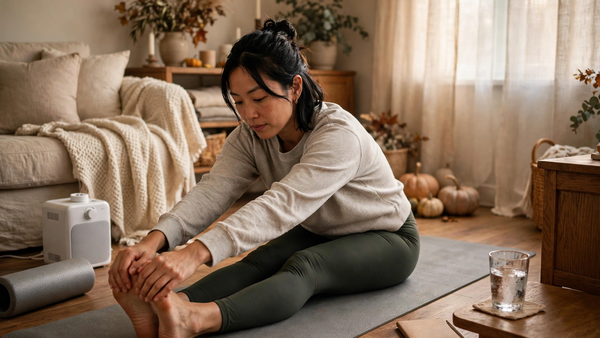
Stop Waiting for the Perfect Moment to Start
The perfect moment is procrastination in a nicer outfit. Tonight, trade the big plan for one five-minute start — and watch what happens when you stop waiting.


This post contains affiliate links. If you purchase through our links, we may earn a commission at no extra cost to you. We only recommend products we've researched and would use ourselves.
The Perfect Moment Is a Moving Target
Waiting for the perfect moment feels responsible. It sounds like planning. It sounds like patience. But look closer and it is usually procrastination in a nicer outfit.
The story goes like this: you will start when work calms down, when the schedule settles, when the new month begins, when you feel more motivated. Each condition sounds reasonable on its own. Together, they form a starting line that keeps moving. Every time one condition is met, another one appears to take its place.
Here is the uncomfortable part: the perfect moment never arrives, because it was never a real date on the calendar. It is a feeling you are waiting for — the feeling of being ready, certain, and fully prepared. And that feeling shows up after you start, not before. Readiness is a result of starting, not a requirement for it.
Meanwhile, the days pass anyway. The week you spend waiting for the right Monday is a week you could have spent five minutes a day on the thing itself. Nobody starts under perfect conditions. People start under real ones — tired, busy, unsure — and adjust as they go.
So the question is not "when will the moment be perfect?" The question is "what is the smallest start you can make tonight?"
Shrink the Start Until You Can't Say No
If the first step feels big, it is not a first step — it is a whole project wearing a disguise. Shrink it until saying no feels silly.
Not "get in shape" — one rep, or lace up your shoes and step outside. Not "write a book" — one page, in a notebook, tonight. Not "build a meditation practice" — sit down for five minutes and breathe. Not "read more" — one page before bed.
Five minutes is the sweet spot. It is short enough that your brain stops negotiating. You do not need to clear your evening, buy new gear, or wait for the weekend. You need five minutes and the smallest possible version of the thing.
A guided journal makes that five minutes almost automatic. The Five Minute Journal gives you three short prompts in the morning and two at night — check current price — so you never sit down wondering what to write. You open it, you answer, you are done. The structure does the deciding for you, which is exactly what a first step needs.
The five-minute version also gives you something a grand plan never will: proof. Tonight, you will have evidence that you did the thing. That evidence matters more than any plan, because it is what makes tomorrow easier.
The Start-Tonight Framework
Here is the whole framework. Three steps, tonight, in under ten minutes total.
| Step | What to do | Time |
|---|---|---|
| 1. Pick the smallest version | One page, one rep, five minutes — the version you can do even on a bad day | 2 minutes to choose |
| 2. Set a timer for five minutes | Do only the small version. When the timer ends, stop — even if you feel like continuing | 5 minutes |
| 3. Mark it done | Put a checkmark on a calendar, in a notebook, or in your phone. The mark is the reward | 30 seconds |
Three rules keep the framework working:
- Same time tomorrow. Attach your five minutes to something you already do — after dinner, before bed, with your morning coffee. A start that floats around the day gets lost.
- Same tiny size for a week. Do not grow the step until you have kept it seven days in a row. Growing too fast is how small starts die.
- Never miss twice. One missed day is life happening. Two missed days is a new habit forming — the habit of not starting. If you miss a day, the next day's five minutes are non-negotiable.
Reading is one of the easiest starts to shrink. One page a night from the Kindle Paperwhite (16GB) — check current price — fits in a bag, holds thousands of books, and removes every excuse about not having the right book nearby. One page tonight, one page tomorrow, and by the end of the month you have finished something you kept putting off.
What Changes After the First Small Start
The first day is the hardest, and it is also the least important. The second day is where the shift happens — because now you have evidence. You are not someone who plans to start. You are someone who started yesterday.
Each kept promise is a small vote for the person you are becoming. That is the whole idea behind Atomic Habits by James Clear — check current price — tiny changes, repeated, compound into remarkable results. You do not rise to the level of your goals. You fall to the level of your systems, and a five-minute system is one you can actually keep.
Starting small also changes how the thing feels. The first page is awkward. The tenth page is a routine. By the thirtieth page, you have a habit — and habits do not need motivation. They run on their own rails. That is why the smallest start beats the biggest plan: the plan needs willpower every day, while the habit eventually needs almost none.
And if the resistance you feel is deeper than laziness — if your body tenses up every time you sit down to begin — it helps to understand why. The Body Keeps the Score by Bessel van der Kolk — check current price — explains how stress and old patterns live in the body, not just the mind. Sometimes starting is hard because your nervous system learned, long ago, that trying was risky. Knowing that does not fix it overnight, but it stops you from calling yourself lazy — and that alone makes the next start easier.
For the quiet minutes themselves, an old book helps. Meditations by Marcus Aurelius — check current price — was never meant to be published. It is a Roman emperor's private notes to himself, written to stay steady under pressure. One short passage a night is a five-minute start with two thousand years of proof behind it.
And if sitting still is the hard part, give your body a place to be. The Meditation Cushion (Zafu) — check current price — is a round, buckwheat-filled cushion that lifts your hips and takes the ache out of sitting on the floor. Five minutes on a real cushion feels like a practice. Five minutes on a hard floor feels like a punishment. Comfort is not a luxury here — it is what makes you come back tomorrow.
Our Top Picks
The starting kit — six tools that make the first small step easy. Every pick below links to its listing; check current price on each.
| Product | Best for | Why it helps you start |
|---|---|---|
| Five Minute Journal | A guided five-minute morning start | Short prompts remove the blank-page problem entirely |
| Meditations by Marcus Aurelius | A one-page-a-night reading habit | Short, standalone passages — open anywhere, start anywhere |
| Kindle Paperwhite (16GB) | Reading anywhere without friction | Thousands of books in one light device, so the next page is always there |
| Meditation Cushion (Zafu) | A comfortable five-minute sit | Buckwheat fill supports your posture so sitting still feels good, not punishing |
| The Body Keeps the Score | Understanding why starting feels hard | Explains how stress lives in the body — and why willpower alone is not the answer |
| Atomic Habits | The system behind tiny starts | The compounding case for small changes, with a practical four-step method |

1. Five Minute Journal — the guided gratitude journal that takes five minutes a day, morning and night. Best for anyone who wants a start with training wheels: the prompts decide what to write, so you just show up. Check current price.
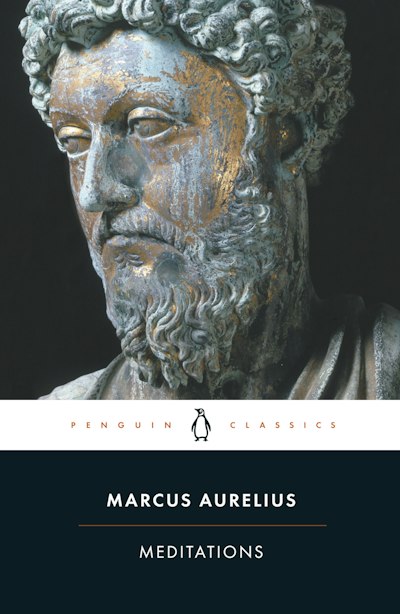
2. Meditations by Marcus Aurelius — the Penguin Classics edition of the emperor's private notebooks. Best for a one-page-a-night habit: the entries are short, standalone, and written to steady a busy mind. Check current price.
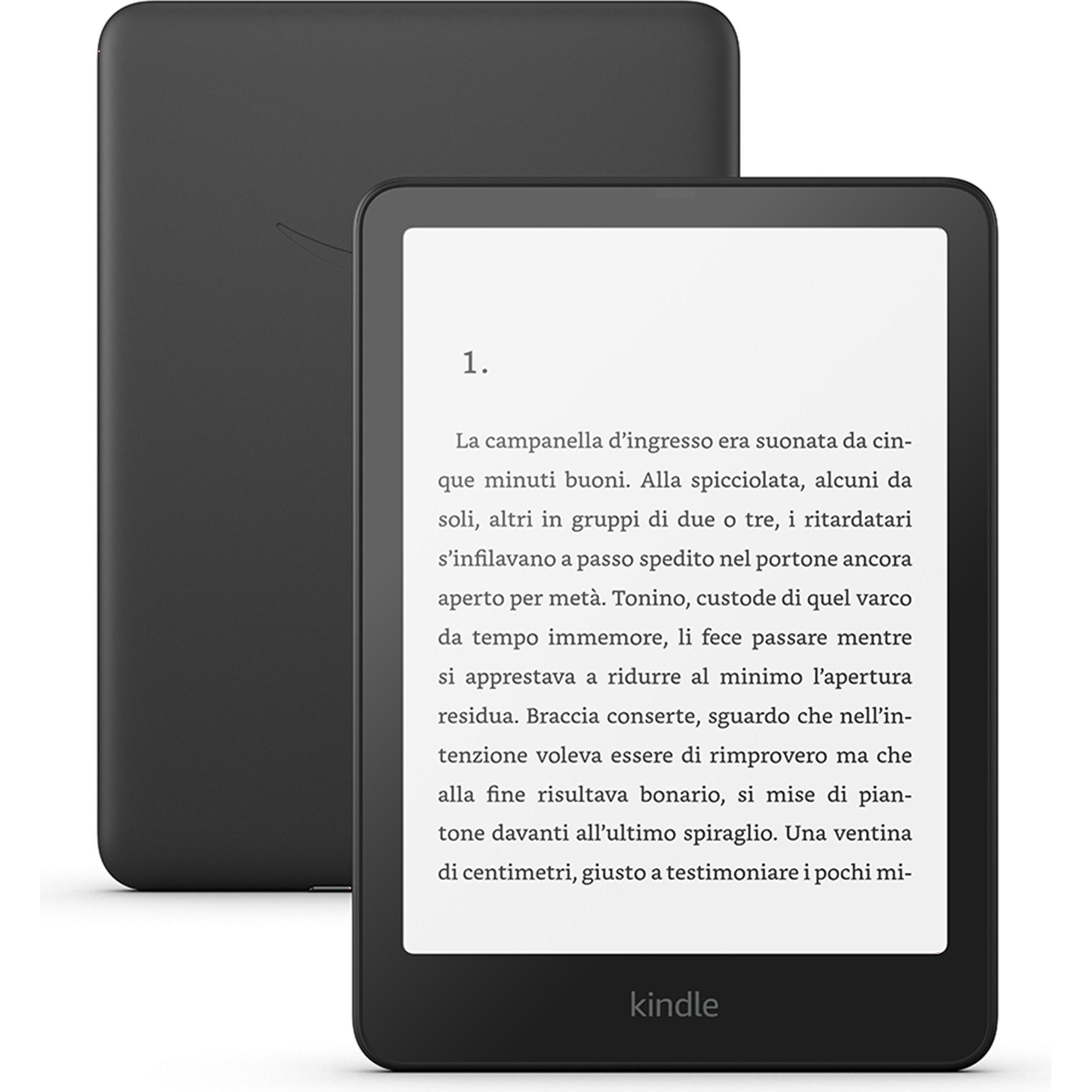
3. Kindle Paperwhite (16GB) — the glare-free e-reader with weeks of battery life and adjustable warm light. Best for readers who want zero friction: one device, thousands of books, one page a night. Check current price.
4. Meditation Cushion (Zafu) — the Mindful & Modern round zafu, buckwheat-hull filled with a washable cotton cover. Best for a comfortable five-minute sit: it lifts your hips and keeps your back happy while you breathe. Check current price.

5. The Body Keeps the Score by Bessel van der Kolk — the bestselling book on how trauma and stress reshape body and brain. Best for anyone whose resistance to starting runs deeper than laziness: it explains the why, so you can stop blaming yourself. Check current price.
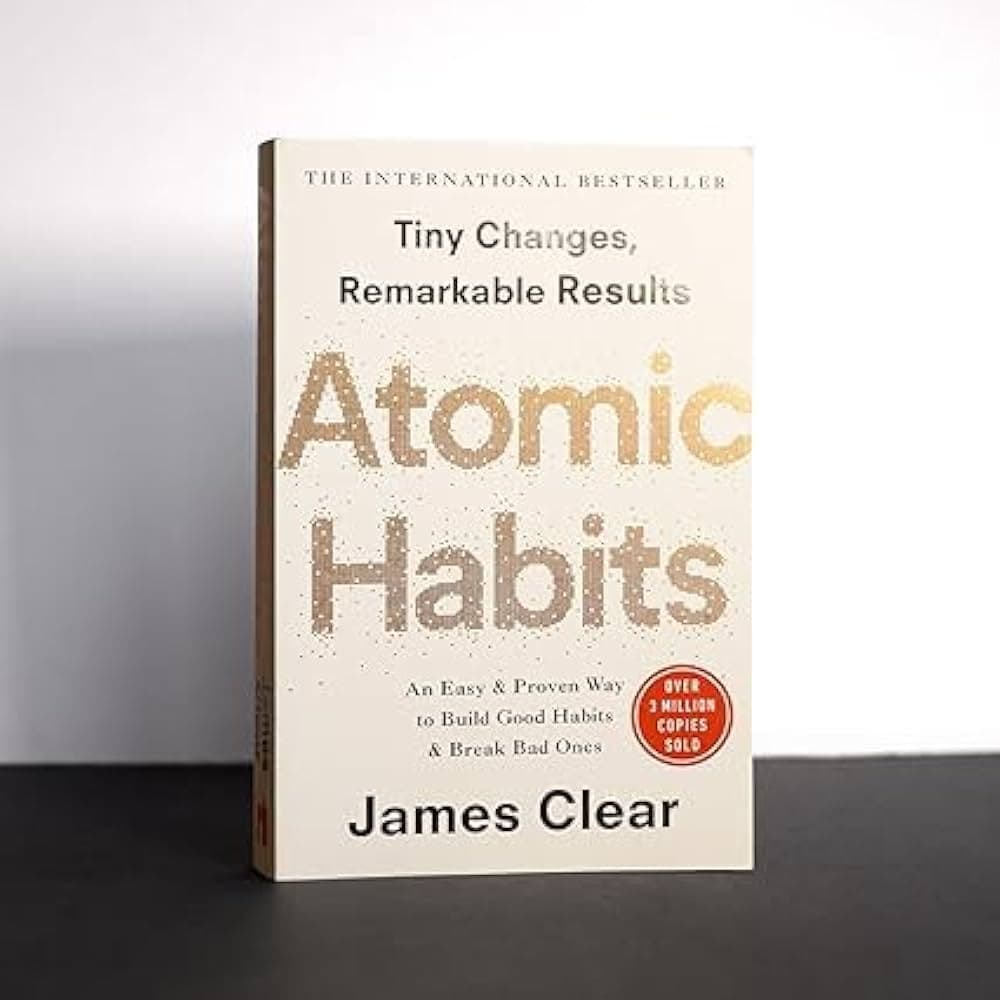
6. Atomic Habits by James Clear — the guide to building good habits and breaking bad ones through tiny changes. Best for the system behind it all: the four laws of behavior change, with stories that make the science stick. Check current price.
The Bottom Line
The perfect moment is not coming, and that is good news — because you do not need it. You need five minutes, one page, one rep, tonight. Pick the smallest version of the thing you keep putting off, set a timer, and mark it done. Then do it again tomorrow.
Starting small is not thinking small. It is the only way big changes actually begin: one kept promise at a time. Tonight is as good a moment as any — better, actually, because it is real.
Want more practical guides like this one? Follow @upgrade.daily.drops for a new upgrade every day — and start tonight.