What Should You Buy During Black Friday Week — and What Should You Skip?
Amazon Black Friday Week runs November 19–30, and the sale is designed to make you spend faster than you can think. Here is the buy/skip guide: what to buy, what to skip, and the three-question test for everything in between.


As an Amazon Associate, Upgrade411 earns from qualifying purchases. Prices and availability change.
There is a free AI accountability-coach prompt at the bottom of this guide — copy it into ChatGPT, Claude, or Muse and it will check in on you after each Black Friday Week shopping day.
1. Buy Now: The Planned Purchase
A planned purchase is the only kind of Black Friday buy that reliably saves money. It is the item you already decided to buy, at a price you already know. Amazon Black Friday Week runs November 19–30, 2026, with Black Friday on Friday, November 27, and Cyber Monday on Monday, November 30. Twelve days of deals is exactly long enough to talk yourself into buying things you never planned to own.
The test is simple: if the item was on your list before the sale banners appeared, it is a planned purchase. If it appeared after you saw the discount, it is not — the sale created the need. A planned purchase also has a price cap written down before the week starts. You know what the item usually costs, you know the most you will pay, and you check the price history before you trust the red banner. Prices quietly creep up before a sale, and a "save 30%" badge on an inflated price is not a deal at all.
Best for: anyone replacing something that is broken, worn out, or about to be — a heater that rattles, an e-reader with a dying battery, the winter gear you buy every year anyway. Watch out for: the upgrade trap. A planned replacement is a like-for-like swap, not a reason to buy the premium model you never wanted. If the sale price of the upgrade is still more than the regular price of the thing you need, you are not saving money.
Watch: 15 Amazon's BLACK FRIDAY SHOPPING SECRETS ONLY The Managers Know! — https://www.youtube.com/watch?v=NjXXnc-6qdA
2. Buy Now: The Skill That Pays for the Sale
Here is the uncomfortable math of Black Friday Week: the average shopper does not save money during the sale — they spend more, at a discount. The fix is not a better deal. It is a better decision habit, and a habit is the cheapest thing you can buy all week. Three short books, read before November 19, change how every deal after that looks. They cost less together than one impulse buy, and they keep working after the sale ends.
The first habit is systems over willpower: a shopping list, a budget cap, and a 24-hour rule for anything unplanned will do more than any coupon, because the sale is designed to defeat willpower. The second is knowing what "enough" looks like before the banners tell you it looks like more. The third is automation: decide the spending plan once, in advance, and stop deciding in the moment.
Best for: anyone who has ever looked at a January credit-card statement and wondered where it all went. Watch out for: buying the books and never reading them. A money book on a shelf is just another Black Friday purchase. Read one before November 19 — even one chapter a night gets you through the shortest of the three before the sale opens.
Watch: Black Friday Without Regret: The 3-Question Sale Test — https://www.youtube.com/watch?v=Zssn5kB2MpE
3. Buy Now: The Tool That Keeps the List Honest
Every Black Friday plan fails the same way: the list lives in your head, and your head is the easiest thing in the house to change. A written list is a contract with yourself. A list that syncs to your phone is a contract you actually have with you at the store, or on the couch at 11:58 p.m. on Thanksgiving night when the cart is full and the clock is ticking.
The tool does not need to be fancy. It needs to be the thing you reach for before you open a shopping app, and it needs to hold three columns: the item, the most you will pay, and whether it is a need or a want. Write the list before November 19. When the sale opens, the list is closed — anything not on it waits 24 hours. That one rule, kept for twelve days, is worth more than every lightning deal combined.
Best for: anyone who shops on their phone, late at night, or both. Watch out for: turning the tool into the purchase. A new notebook does not make a new habit — the first list you write in it does. If you already have a notebook you like, use that one and skip this section entirely.
4. Skip: The Deal That Isn't a Deal
Some discounts are real, and some are theater. The theater has a pattern: the price was raised in October so it can be "cut" in November, the countdown timer resets when it hits zero, the lightning deal is "100% claimed" and then quietly comes back in the evening, and the doorbuster is a model made only for the sale, with a model number you cannot compare to anything else.
The other version of the fake deal is the financing trap: buy now, pay later turns a $200 purchase into four easy payments of $50, and four easy payments feel like no purchase at all. The money still leaves, just later.
Best for: everyone, because everyone meets the fake deal first — it is the loudest offer on the page. Watch out for: the "sold by" line. A third-party seller with a delivery date after Christmas is not a Black Friday deal, no matter what the banner says. Check the seller, check the delivery date, and screenshot every order confirmation in case the refund goes wrong in January.
5. Skip: The Maybe-Someday Cart
The maybe-someday cart is the most expensive cart in the house. It is full of things you might use someday: the second gadget that does what the first one already does, the trendy item three influencers posted this week, the "gift for yourself" that is really just a purchase with a nicer name. None of it is on the list. All of it feels urgent, because the sale ends Monday and the feeling ends with it.
Run every maybe-someday item through three questions. Do you actually need it, or do you just want it in this moment? Is this truly a deal — checked against the price history, not the banner? Does it fit your spending plan without touching savings or adding debt? If it fails even one, it goes back on the shelf.
Want a coach to keep you honest? The AI accountability prompt at the bottom of this article does the check-ins for you.
Quick Decision Guide
Choose the planned purchase first when something you already own is failing, or when the item has been on your list for weeks with a price cap already written down. Choose the skill books first when last January's statement still stings — the books are the cheapest move on this list, and they change every sale after this one. Choose the list tool first when you shop on your phone late at night, because that is when the list matters most. Skip the fake deal when the price history does not back up the banner, or when the seller and delivery date do not check out. Skip the maybe-someday cart when an item fails even one of the three questions. A mixed approach works: buy the one planned thing, read one book, and let the rest of the sale pass you by.
| Category | Buy it | Skip it | The rule |
|---|---|---|---|
| Planned replacement | On your list before the sale, price cap set | Upgrade to a premium model you never wanted | The sale price of the upgrade must beat the regular price of what you need |
| Winter warmth | Heater replacing one that rattles or fails | A second heater for a room you barely use | One working heater per cold room |
| Reading | Money books you will read before November 19 | Books that sit on the shelf unread | One chapter a night beats a full shelf |
| Planning tools | A list tool you use before opening any shopping app | A new notebook as a substitute for writing the list | The first list is the habit, not the tool |
| Doorbusters | — | Sale-only models with no comparable price | If you cannot compare the price, you cannot verify the deal |
| Financing | — | Buy now, pay later on a want | Four easy payments are still a purchase |
| Duplicates | — | A second gadget that does what the first already does | If the first one works, the second one is a duplicate |
The Picks
Six verified picks, grouped by the method they serve. Every price below is a catalog estimate marked ~ — check current price before you buy, because sale-week prices move daily.
The Planned Purchase
1. DREO Portable Electric Space Heater (DR-HSH006) — 1500W PTC ceramic heater with remote control, 70-degree oscillation, digital display, and tip-over and overheat protection. Its job: the planned winter replacement — one cold room, warmed properly. Price: ~$35–40. Check current price.
2. Kindle Paperwhite (16GB) — 12th Generation, 2024, Black, ad-supported: 7-inch glare-free display, warm light, USB-C, up to 12 weeks of battery. Its job: the quiet hour — money books and novels in one thin device, and the reason the books on this list actually get read. Price: ~$200. Check current price.

The Skill That Pays for the Sale
3. Atomic Habits by James Clear — Hardcover, Avery, 2018. Its job: small, repeatable systems instead of one heroic effort — the list, the cap, and the 24-hour rule as habits, not willpower. Price: ~$19. Check current price.

4. The Psychology of Money by Morgan Housel — Hardcover, Harriman House, 2020. Its job: the mindset behind the sale — enough is a decision, not a number. Price: ~$15. Check current price.
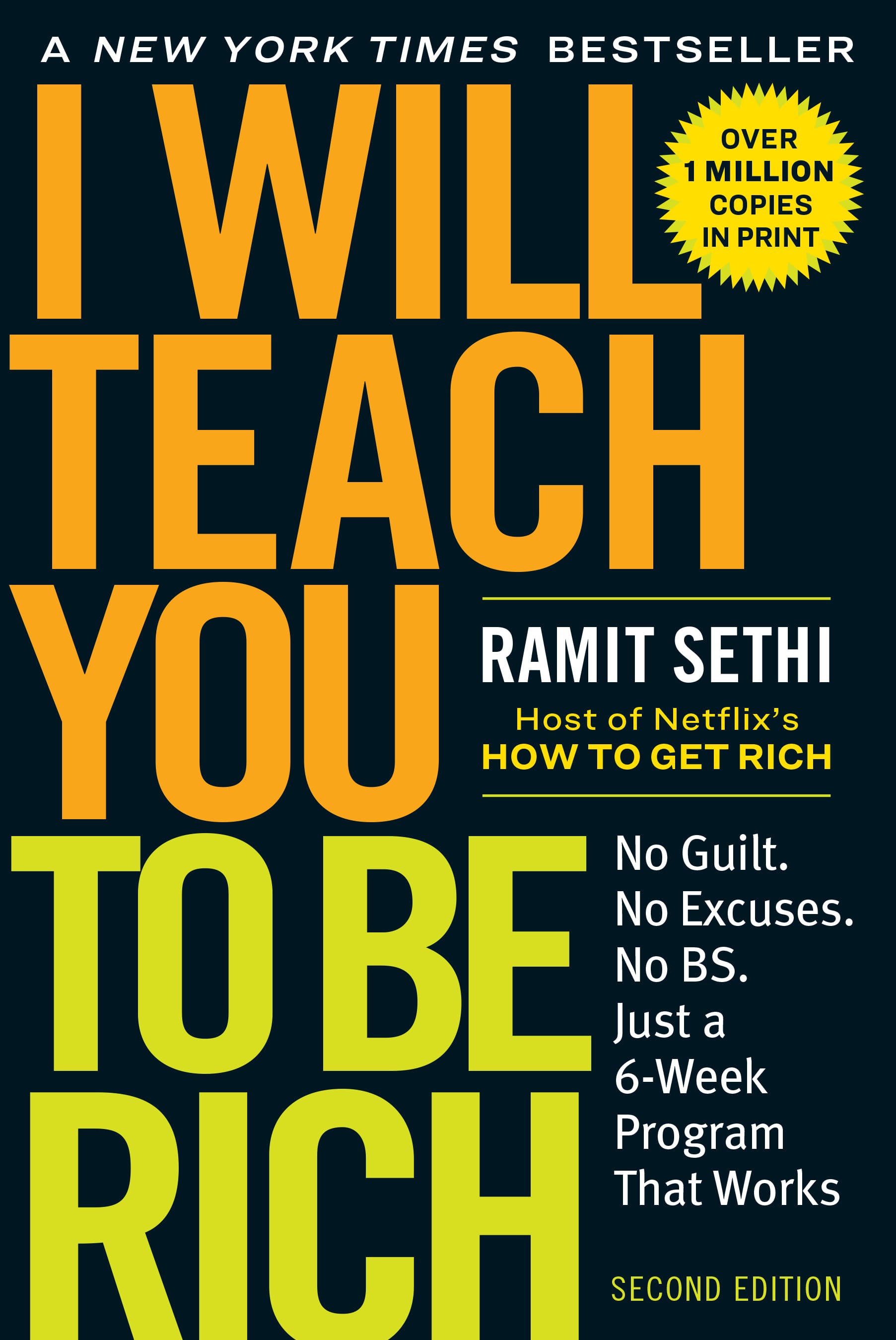
5. I Will Teach You to Be Rich by Ramit Sethi — Second Edition trade paperback, Workman, 2019, 352 pages. Its job: the automation behind the budget — set the spending plan once, then stop deciding in the moment. Price: ~$15. Check current price.
The Tool That Keeps the List Honest
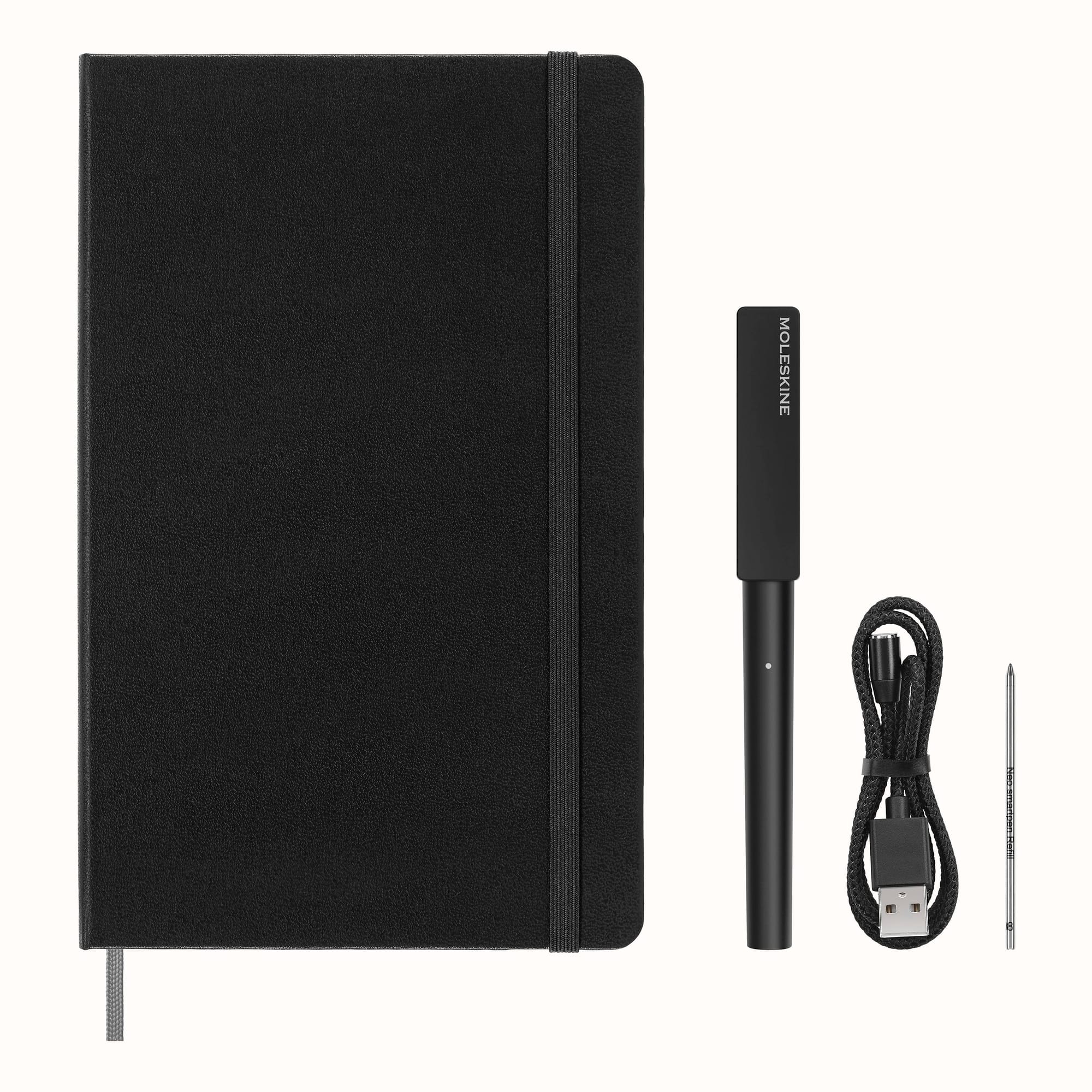
6. Moleskine Smart Writing Set — Smart Pen, large ruled Ncoded Smart Notebook, magnetic charger, and a spare black ink refill. Its job: the list that digitizes itself — write it by hand, and it lands in the phone app for the store run. Price: ~$199. Check current price.
What We Would Buy First
On a tight budget, start with The Psychology of Money — the cheapest pick here at ~$15, and the one that changes how every deal after this week looks.
If the list lives on paper, start with the Moleskine Smart Writing Set — the list is the budget, and a list that syncs to your phone is the one that gets used at the store.
If something you own is failing, start with the DREO Portable Electric Space Heater (DR-HSH006) — a planned replacement at ~$35–40 is the one Black Friday buy that reliably saves money.
Your Black Friday Week Plan
Monday, November 16 — The List. Write the list: the item, the most you will pay, need or want. Close it. Anything not on it waits 24 hours.
Tuesday, November 17 — The Price Check. Look up the regular price and the price history of every item on the list, so the banner cannot lie to you.
Wednesday, November 18 — The Cap. Set one hard budget cap for the whole season. Read the first chapters of one money book. The sale opens tomorrow — the plan is already made.
Thursday, November 19 — The Week Opens. Amazon Black Friday Week begins. Buy only what is on the list, at or under its cap. Everything else waits 24 hours.
Friday, November 27 — Black Friday. The loudest day. Check the list, not the banners. Run the three questions on anything unplanned: need, real deal, fits the plan.
Monday, November 30 — Cyber Monday. The last day. If an item survived the 24-hour rule and still fits the cap, buy it. Then close the cart — the quiet week after Cyber Monday often brings the best prices of the season.
Safety and Disclosure
As an Amazon Associate, Upgrade411 earns from qualifying purchases. Prices and availability change. This article is an editorial guide, not a hands-on test report, and no product here was used, tested, worn, or bought by Randy. Prices are catalog estimates marked ~ and will move during sale week — check current price before you buy. Buy now, pay later is still debt: if a purchase only works in installments, it does not fit the plan.
Your AI accountability coach — copy, paste, and make it yours
Paste this into your AI tool (ChatGPT, Claude, or Muse) and fill in the brackets.
You are my Black Friday Week accountability coach. My method is [the planned purchase / the skill books / the list tool]. I shop this week — [your days, e.g. November 19 through November 30] — following this plan: [paste your week's plan from above].
Your job:
- Check in with me after each scheduled shopping day (or the next morning if I don't report in). Ask how it went — what I bought, what I spent, what felt hard.
- Encourage me honestly. Celebrate what I actually did, even if it's small. Never guilt me for a missed day or an overspend — help me reset and do the next one.
- Keep me on track. If I miss a day, give me one small next step instead of a lecture. If I finish the week under budget, help me pick the next thing to lock in before Cyber Monday ends.
- Remind me why I started. My reason is: [write one sentence — e.g. "I want December to feel like a holiday, not a bill I regret in January"].
- Keep it short. Each check-in should be a few lines, not an essay. End every check-in with one question: "What's your next session, and when?"
Start by asking me which method I picked and what day my first shopping session is.
As an Amazon Associate, Upgrade411 earns from qualifying purchases. Prices and availability change.