What Should Your Year-End Bonus Actually Do?
Your year-end bonus lands in late November or December — and by January it is usually gone. Give it four jobs before it arrives: catch up, cushion, growth, and fun.


This post contains affiliate links. If you purchase through our links, we may earn a commission at no extra cost to you. We only recommend products we've researched and would use ourselves.
Why Bonuses Evaporate
A bonus feels different from a paycheck, and that feeling is the whole problem. A paycheck has jobs already — rent, bills, groceries. A bonus arrives with no assignments, so your brain files it under "extra." And extra money gets spent like extra money: quickly, casually, on things you would never buy with your regular pay.
The timing makes it worse. Year-end bonuses land in the middle of the most expensive stretch of the year. Gift lists, travel, hosting, end-of-year sales — all ready to absorb whatever shows up. If you have no plan, December will write one for you: spend it all, now, on things other people will forget by February.
Then there is the windfall effect. When money feels like a gift rather than earnings, we treat it as less real — the nicer version, the add-on, a little something for ourselves. Together, they turn a meaningful sum into a vague memory — and sometimes a card balance that outlives the holidays.
Give It a Job Before It Arrives
The single most useful thing you can do with a year-end bonus happens before you receive it. Sit down, while the money is still theoretical, and write down what it is for. Not in your head — on paper, somewhere you will actually look at it when the deposit lands.
A plan you can see beats a plan you can forget. When the money is sitting in your account and the holiday sales are calling, a vague intention to "be smart with it" will lose to a specific, written-down split every time.
The other half of the trick is making the split automatic. The day the bonus lands, move each slice where it belongs — toward the balance you are paying down, into savings, toward the account you invest from, and into a small fun fund you can spend without a second thought. Money that never sits idle in checking never gets quietly spent on takeout and impulse buys. The systems book in our picks, Atomic Habits by James Clear, makes this exact point: lasting change comes from designing your environment so the right choice is the easy one, not from relying on willpower in the moment. Check current price.
The Four Jobs Your Bonus Can Do
Think of your bonus as having four jobs. You do not have to give all four equal weight — the right mix depends on where you are right now.
Catch up. If anything is behind you — a balance carried month to month, a bill you have been dodging — this is the job that pays you back fastest. Clearing what you owe is the only use of a bonus that immediately improves your monthly cash flow, because every balance you retire is a payment you stop making.
Cushion. A cushion is the money that lets a flat tire or a broken appliance be an annoyance instead of a crisis. If your savings would not cover a rough month, part of the bonus belongs here — the least exciting job, and the one you will be most grateful for when life happens.
Growth. This is the slice that works while you sleep: money put toward your future through the accounts you already use, whether that is a retirement account, an investment account, or a skills fund for a course that raises what you can earn. The mindset book in our picks, The Psychology of Money by Morgan Housel, is the best short read we know on why this slice is so hard to protect. Check current price.
Fun. Yes, fun is a real job, and it deserves a real slice. A bonus you never enjoy teaches you that bonuses are not worth having. Pick something specific — a trip, a gadget, a dinner out that you will actually remember — and spend that slice on it with a clear conscience.
The Holiday Trap — and How to Dodge It
Here is the trap in its simplest form: the bonus arrives, the gift list is long, and the gift budget quietly becomes "whatever is in the account." That is how a bonus meant for four jobs ends up doing one job — funding December — and doing it badly, because gift spending done under pressure is almost never spending you feel good about later.
Dodge it by separating the gift budget from the bonus before December starts. Decide what the holidays will cost, in advance, and fund it from the fun slice. A fixed gift list means shopping with a list instead of a mood.
The automate-it playbook in our picks, I Will Teach You to Be Rich by Ramit Sethi, calls this a conscious spending plan: decide your priorities in advance, automate the important stuff, and then spend the rest without guilt. That is exactly what a bonus plan is. Check current price.
Two more guardrails that cost nothing: wait a day before any bonus-funded purchase that was not in the plan, and keep the bonus out of your everyday checking account, so it never looks like spending money. And if you share finances with a partner, agree on the split together, before the money lands.
The 6 Picks at a Glance
| Product | Best for | Why it made the list |
|---|---|---|
| "Atomic Habits" by James Clear | Making the plan stick | Systems over willpower — turn a one-time bonus plan into a habit |
| "The Psychology of Money" by Morgan Housel | Bonus mindset | Short stories on why smart people make emotional money decisions |
| "I Will Teach You to Be Rich" by Ramit Sethi | Automating the split | Automate saving, investing, and guilt-free spending |
| reMarkable 2 Tablet | Planning on paper, distraction-free | Write the plan with zero apps pulling at your attention |
| Moleskine Smart Writing Set | Handwriting your plan, keeping it digital | Handwrite in a real notebook, get a digital copy automatically |
| Kindle Paperwhite (16GB) | Reading the money books anywhere | The money books in your pocket, glare-free, weeks of battery |
Our Top Picks
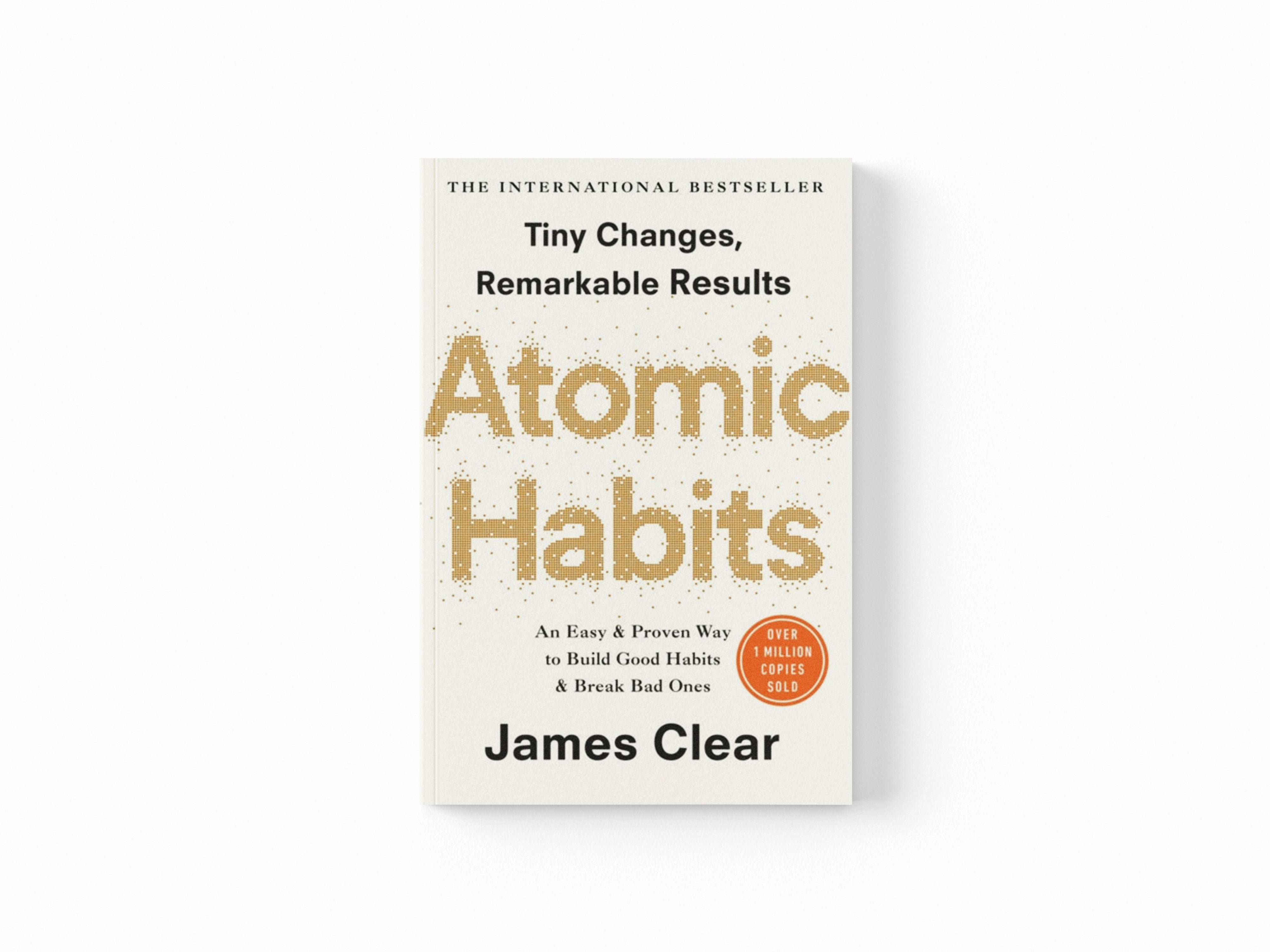
1. "Atomic Habits" by James Clear — the systems book for making the plan stick. This is the book about tiny changes that compound into big results. It is for you if your money plans keep falling apart by February and you want a system that holds. Its job: turn "give the bonus a job" from a one-time decision into a habit you keep. Check current price.

2. "The Psychology of Money" by Morgan Housel — the mindset book for bonus decisions. This is a collection of short stories about the strange ways people think about money. It is for you if you want to understand your own money instincts before you hand a bonus to them. Its job: help you spot the emotional traps before they spend your bonus for you. Check current price.

3. "I Will Teach You to Be Rich" by Ramit Sethi — the automate-it playbook. This is a plain-language program for setting up your money so the important parts happen automatically — saving, investing, and spending on what you love, without guilt. It is for you if you want the bonus split to run itself instead of relying on willpower every payday. Its job: the automation blueprint for the four-job split. Check current price.

4. reMarkable 2 Tablet — plan on paper, distraction-free. This is a paper-like tablet for writing and reading without notifications, apps, or feeds pulling at your attention. It is for you if you do your best thinking with a pen in hand and you want your bonus plan somewhere you will actually revisit it. Its job: a calm, focused place to write the plan and keep it. Check current price.

5. Moleskine Smart Writing Set — write the plan by hand, keep it digital. This is a smart notebook and pen set that turns your handwriting into a digital copy as you write, so a paper plan never gets lost. It is for you if you think best on real paper but want your notes searchable and backed up. Its job: handwrite the bonus split, keep the digital version forever. Check current price.

6. Kindle Paperwhite (16GB) — read the money books anywhere. This is a slim e-reader with a glare-free screen, adjustable warm light, and weeks of battery life. It is for you if you want the money books on this list with you on the commute, on the couch, and on holiday travel. Its job: make the reading habit easy enough that it actually happens. Check current price.
The Bottom Line
Your year-end bonus is not extra money. It is a once-a-year chance to move four things forward at once: catch up, cushion, growth, and fun. The only thing it needs from you is a decision made before it arrives — four jobs, written down, split automatically the day it lands.
Start tonight, before the deposit hits. Grab a notebook, write the four jobs, and give each one a slice. Then, when the bonus lands, you will just follow the plan you already made — and actually enjoy the fun slice, because the other three jobs are already taken care of. Follow @upgrade.daily.drops for more everyday upgrades.