Slow Down Now, or December Will Do It for You
Thanksgiving is thirteen days away and December starts in under three weeks — and your calendar already feels full. The wise move isn't to push through; it's to slow down now, on purpose, before the season slows you down by force.


This post contains affiliate links. If you purchase through our links, we may earn a commission at no extra cost to you. We only recommend products we've researched and would use ourselves.
The Calendar Is Already Full — and December Hasn't Started
Thanksgiving is thirteen days away. December starts in under three weeks. And if your calendar already feels crowded, that is not a scheduling accident — that is the season doing exactly what it always does.
Every year, the same pattern plays out. November fills up quietly: a dinner here, a gift list there, a work deadline moved up because "everyone is out in December," a school event, a travel plan, a party you said yes to before you checked what else was on that week. None of it looks like too much on its own. Together, it adds up to a month with no breathing room — and then December arrives and doubles it.
Most people blame December for the crash. The parties, the shopping, the travel, the family logistics — December gets the blame because December is where the exhaustion becomes impossible to ignore. But the crash does not start in December. It starts right now, in these overlooked weeks in mid-November, when you still have time to do something about it.
That is the whole point of this article. Slowing down is not something you do after the holidays, when the damage is done and you are running on fumes. Slowing down is something you choose now, on purpose, while you still have the power to choose it. Because if you don't choose it, December will choose it for you — and December's version of slowing you down looks a lot like burnout, a cold you can't shake, or a holiday you spend too tired to enjoy.
Burnout Doesn't Arrive in December. It Arrives Now.
Here is the part nobody tells you about holiday burnout: by the time you feel it, you are already weeks behind it. Burnout is not a single bad week. It is a slow accumulation — a little less sleep here, one more obligation there, a few skipped meals, a few skipped workouts, a few evenings where the only quiet moment is the drive home. Each piece is small. The total is not.
Think about what your November actually looks like right now. How many evenings this week are genuinely free — not "free except for that one errand," but actually empty? How many mornings start slow, and how many start with you already behind? If the honest answer is "none," you are already running the December playbook, just without the decorations.
The research on this is not complicated. When rest gets treated as whatever is left over after everything else, rest gets nothing. Your calendar is a budget, and right now every line item is spoken for. The only way to get breathing room back is to treat it like a real commitment — something you schedule, protect, and refuse to move — instead of something you hope will happen on its own.
That is the uncomfortable truth at the center of this: you cannot wait for the season to slow down. The season will not slow down. It will speed up, every single week, until January. The only variable you control is whether you build in the pauses now, while they are still cheap, or pay for them later, when they cost you your health, your mood, and your holidays.
Slowness Is a Decision, Not a Mood
People talk about slowing down like it is a personality trait — something you either have or you don't, like being a morning person. That is wrong, and it is a convenient excuse. Slowness is not a mood you wait for. It is a decision you make, and then a set of small, boring actions that back it up.
Here is what deciding to slow down actually looks like in practice. It looks like looking at your calendar for the next three weeks and finding one evening with nothing on it — and then writing "NOTHING" on it in pen, like it is an appointment. It looks like saying no to one thing you would normally say yes to out of guilt, and noticing that the world does not end. It looks like going to bed at the same time three nights in a row and realizing how much of your exhaustion was just accumulated sleep debt with a holiday label on it.
None of this is dramatic. None of it requires a retreat, a detox, or a new identity. It requires one thing: treating your energy like it is finite, because it is. You have a fixed amount of attention, patience, and goodwill to spend between now and the end of the year. Every yes spends some of it. The wise move is deciding in advance what deserves it — and what does not.
The Stoics had a word for this, and it is worth stealing: control what you can, release what you can't. You cannot control how busy December gets. You cannot control other people's expectations, the traffic, the prices, or the group chat. You can control one evening a week. You can control whether your phone is in your hand at dinner. You can control whether you start your day with intention or with a scroll. Small controls, repeated daily, are what keep a busy season from becoming a miserable one.
Three Small Moves That Buy Back Your November
You do not need a new system. You need three moves, done consistently, for the next three weeks. Each one takes less than an hour. Together, they change what December feels like.
1. Guard one empty evening a week. Pick a night — the same night each week if you can — and leave it blank. No plans, no errands, no "quick" calls. Cook something simple, read a few pages, go to bed early. This is not wasted time. This is the recovery your body is already asking for, scheduled before December takes it from you by force. A slow evening now is worth three exhausted ones later.
2. Cap the extras before they cap you. Every holiday season has a hidden tax: the extras. One more gift, one more dish to bring, one more event, one more favor. Decide your limits now, in writing: how many gatherings, how much spending, how many travel days. When the next invitation arrives, you don't have to agonize — you check the cap. If it fits, great. If it doesn't, the answer is already made, and you can give it kindly and without guilt.
3. Start one morning slow, on purpose. Not every morning — just one ritual that belongs to you before the day belongs to everyone else. Five minutes with a journal and a coffee. Ten pages of a real book instead of your phone. A few quiet minutes sitting still before the noise starts. The Five Minute Journal is built for exactly this: a short, guided gratitude practice that takes five minutes and sets the tone for the whole day. And if your evenings are the problem, trade the scroll for slow reading — a Kindle Paperwhite (16GB) holds a whole library in one quiet device, with no notifications competing for your attention.
Notice what these three moves have in common: none of them ask you to do less of what matters. They ask you to protect what matters from everything that doesn't. That is the difference between slowing down and giving up — and it is the difference between a December you enjoy and a December you survive.
Our Top Picks
Slowing down gets easier when you have the right tools in reach. These are the six we recommend for building a calmer November — each one earns its place by doing one job well. Check current price on Amazon before you buy.
| Product | Best for | Why |
|---|---|---|
| Five Minute Journal | Slow mornings | A five-minute gratitude practice that anchors the day before it gets loud |
| "Meditations" by Marcus Aurelius | A steadier mindset | Two thousand years of Stoic wisdom on controlling what you can |
| Kindle Paperwhite (16GB) | Slow reading | A whole library with no notifications, made for quiet evenings |
| Meditation Cushion, Zafu | A daily sit-down spot | A dedicated cushion makes a five-minute pause feel like a real ritual |
| "The Body Keeps the Score" by Bessel van der Kolk | Understanding stress | The science of how stress lives in the body — and how to release it |
| "Atomic Habits" by James Clear | Small changes that stick | Tiny habits, repeated daily, are how slow living actually happens |
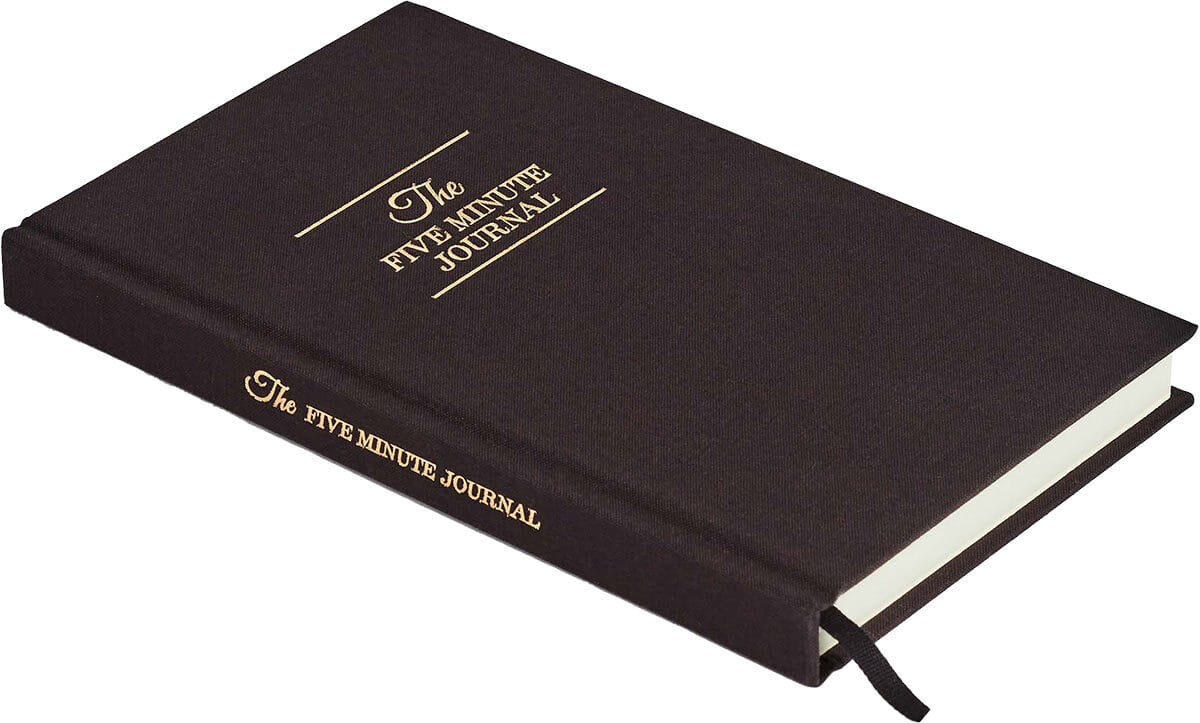
Five Minute Journal — A guided daily gratitude journal. For anyone who wants a slow morning that takes five minutes, not fifty. Its job is simple: three things you are grateful for, three things that would make today great, one affirmation — and then you get on with your day, already pointed in the right direction. Check current price.
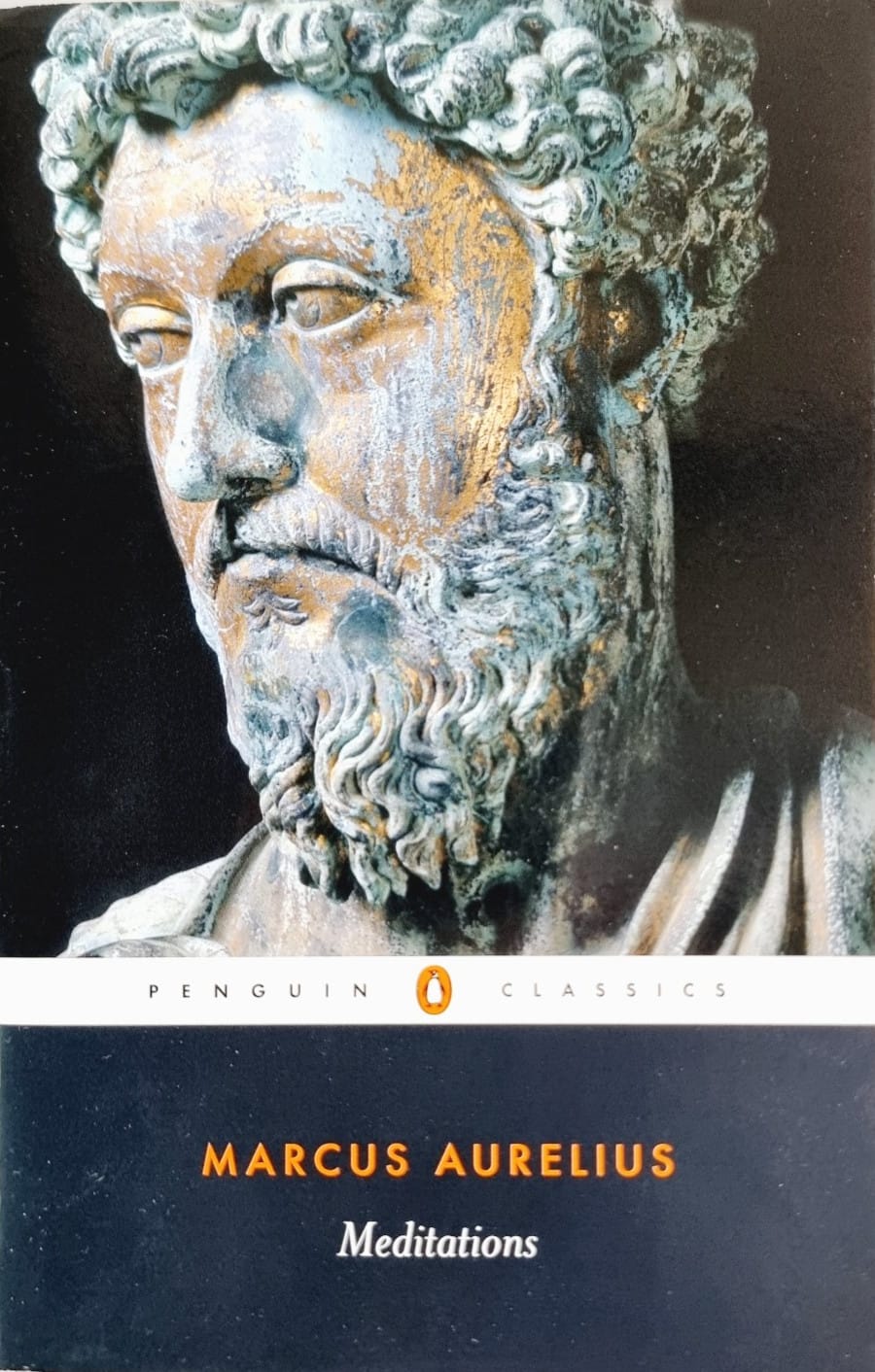
"Meditations" by Marcus Aurelius — The private notebooks of a Roman emperor, written to himself about staying steady under pressure. For anyone who wants a calmer head during a hectic season. Its job is perspective: most of what feels urgent right now will not matter in a year, and Marcus Aurelius is very good at reminding you of that. Check current price.
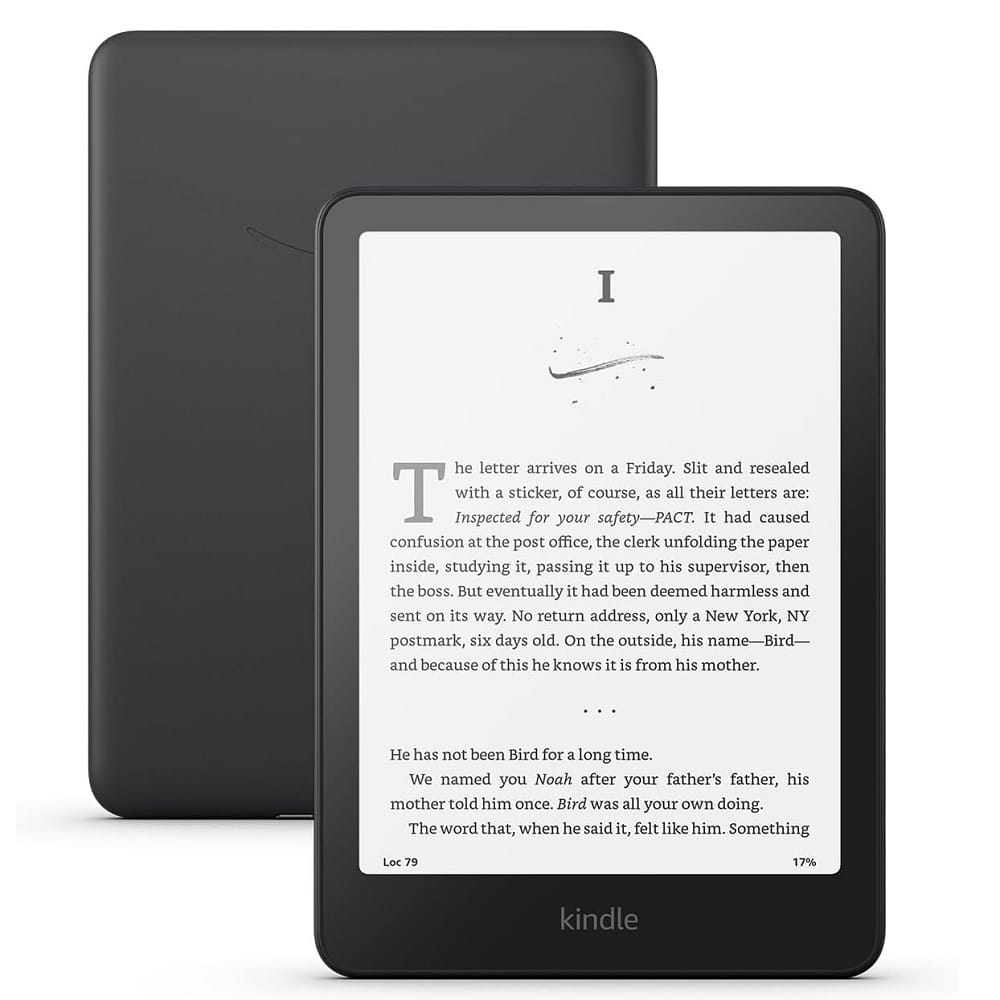
Kindle Paperwhite (16GB) — A lightweight e-reader with a glare-free screen and weeks of battery life. For anyone whose evenings currently disappear into a phone. Its job is to make slow reading the easy option: one device, no apps, no notifications, just the book. Check current price.
Meditation Cushion, Zafu — A round, firm floor cushion designed for sitting meditation. For anyone who wants a dedicated spot to pause, even for five minutes a day. Its job is to make stillness physical: when the cushion is out, that corner of the room means slow down. Check current price.
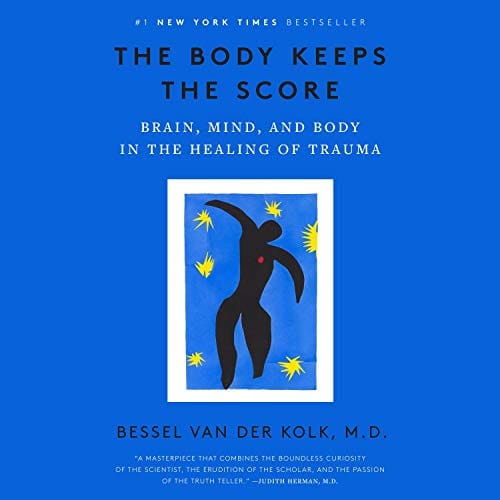
"The Body Keeps the Score" by Bessel van der Kolk — The landmark book on how stress and trauma live in the body, not just the mind. For anyone who feels the season in their shoulders, their sleep, and their stomach before they feel it in their thoughts. Its job is understanding: once you see how stress accumulates physically, protecting your rest stops feeling optional. Check current price.
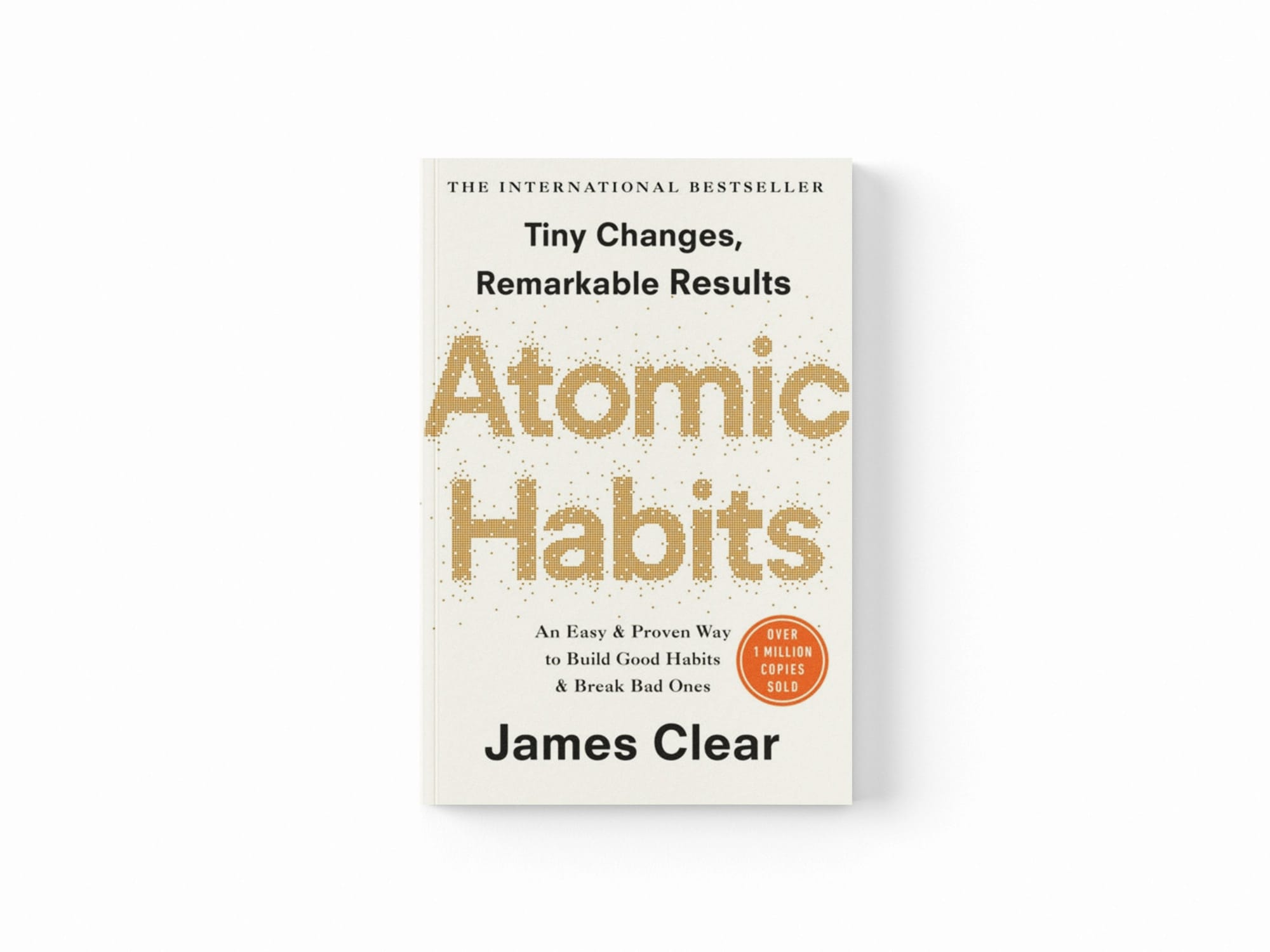
"Atomic Habits" by James Clear — The best-selling guide to building good habits and breaking bad ones, one tiny change at a time. For anyone who wants slow living to actually stick past the first week. Its job is the system: small habits, repeated daily, are how a guarded evening and a slow morning become a calmer December. Check current price.
The Bottom Line
December is coming, and it is going to be busy. That part is not up to you. What is up to you is the next three weeks — the only stretch of the year where slowing down is still a choice you get to make, instead of a crash you have to recover from.
So pick one evening and guard it. Cap the extras before they cap you. Start one morning slow. None of it is heroic, and none of it will show up on anyone else's holiday highlight reel. But your December self — the one who actually gets to enjoy the holidays instead of surviving them — is counting on the choices you make right now.
Slow down now, or December will do it for you. Choose the version you control.