Dopamine Sites: Every Free App That Tricks Your Brain Into Not Spending (2026 Guide)

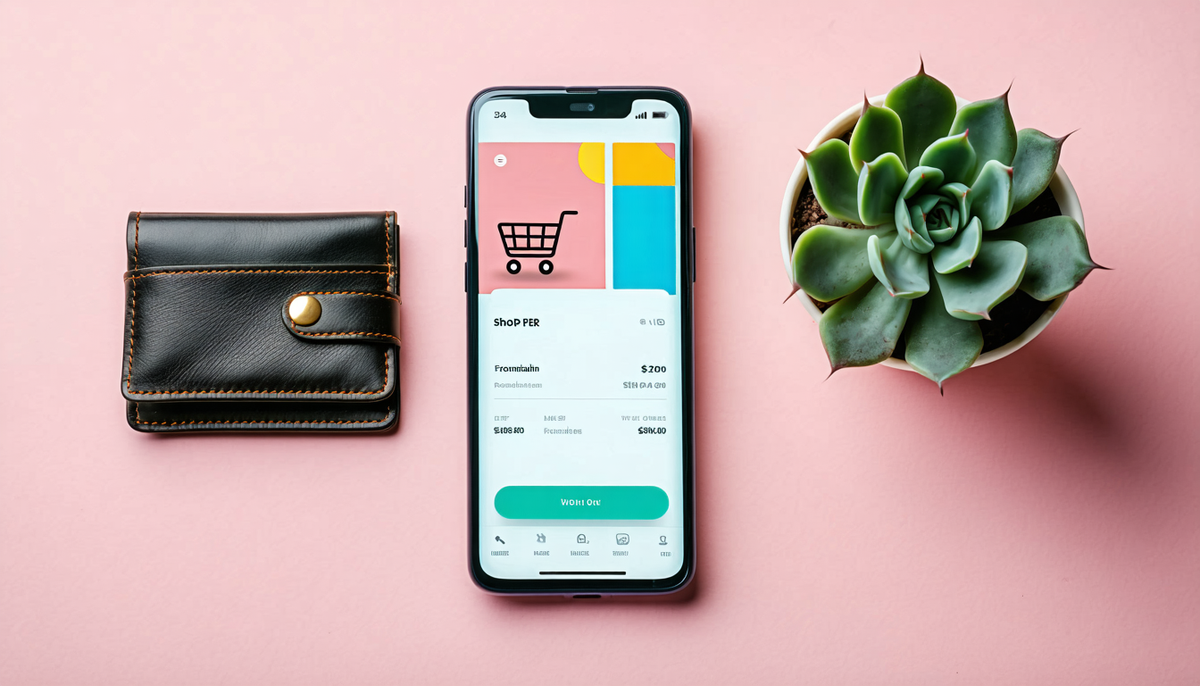
A fake shopping app from South Korea has gone viral for a bizarre reason — it lets you fill a cart, "order" food, and even track a courier that never arrives. It's called FoodNeverComes, and it's part of a growing category called "dopamine sites" that Gen Z is using to kill spending urges without spending a dime.
The concept sounds absurd until you understand the neuroscience. And once you do, it becomes one of the most clever wealth-preservation tools we've seen in 2026.
This post contains affiliate links. If you purchase through our links, we may earn a commission at no extra cost to you. We only recommend products we've researched and would use ourselves.
What Are Dopamine Sites?
Dopamine sites (also called "dopamine apps" or "dopamine shopping") are free platforms that simulate the experience of buying, ordering, or shopping — without any real transaction taking place. No payment details. No shipments. No charge to your card. Just the psychological experience of "getting something."
The category originated in South Korea and exploded globally in June-July 2026 after coverage from The Washington Post, The Independent, Psychology Today, and dozens of viral TikTok breakdowns (35.7M+ views on related content).
The Psychology: Anticipation vs. Consumption
Here's what makes dopamine sites work — and why they're not just a novelty:
Neuroscience research shows that dopamine is released during anticipation, not consumption. Your brain's reward spike happens when you're browsing, selecting, adding to cart, and clicking "order." By the time the package actually arrives, the dopamine hit has already faded.
Dopamine sites exploit this asymmetry. They give you 90% of the neurochemical reward (the browsing, selecting, and ordering experience) with 0% of the financial consequence.
As Psychology Today reported in June 2026: "The emotional payoff of placing a fake order is nearly identical to a real one for the brain's reward circuitry — especially for impulse purchases where the desire was never about the product itself."
Every Major Dopamine Site and App (2026)
Here's the complete roundup — the first comprehensive list we've found anywhere:
Food & Delivery Simulators
- FoodNeverComes — The original. Mimics a food delivery app with restaurant browsing, menu customization, cart building, and a live courier tracker. Free, ad-supported.
- FakeEats — English-language alternative with a playful interface. Lets you "order" from fictional restaurants.
Shopping Simulators
- DopaHaul — A Temu/Shein lookalike where you browse thousands of items, add to cart, and "check out" without entering payment info.
- DopamineCart — Modeled on Amazon's interface. Full browsing and cart experience, zero transactions.
- Dopamine Shop — Items range from a 99-cent pet rock to a $99 million moon. Fill your cart with anything. Nothing ships.
Luxury & Aspirational
- Window Shopping apps — Simulate high-end retail browsing with luxury brand interfaces
When Dopamine Sites Work (And When They Don't)
They work best for:
- Impulse purchase urges (the "I want something NOW" feeling)
- Late-night scrolling-to-spending spirals
- Emotional spending triggered by stress, boredom, or FOMO
- Building awareness of your spending triggers
They don't replace:
- Planned purchases you actually need
- Budget systems for recurring expenses
- Deep-rooted spending habits tied to identity or relationships
- Professional financial counseling for debt crises
The Physical Alternative: Analog Tools That Do the Same Thing
Dopamine sites handle the digital impulse. But research shows that physical tools create stronger behavioral change because they engage different neural pathways (proprioception, spatial memory, and tactile feedback).
Here's what pairs well with the digital approach:
Budget Planner (Tactile Spending Awareness)
A physical budget planner forces you to write down every expense by hand — which activates the same "pause before acting" circuit that makes dopamine sites work. The Clever Fox Budget Planner covers 12 months with monthly budget plans, expense trackers, savings trackers, and debt payoff pages.
Check current price on Amazon →
"Future Rich Person" by Haley Sacks (Mindset Reframe)
The Mrs. Dow Jones creator's debut book (released May 2026) is the perfect companion read — it reframes money from anxiety-inducing to empowering with actionable strategies for Gen Z and Millennials who feel stuck. The tone matches the dopamine-sites ethos: make financial health feel good, not punishing.
Check current price on Amazon →
"The Psychology of Money" by Morgan Housel (The Science Behind Your Urges)
If dopamine sites made you curious about why your brain treats spending like a drug, this book explains the full behavioral economics framework in plain language. Short chapters, zero jargon, immediately applicable to your daily decisions.
Check current price on Amazon →
"Atomic Habits" by James Clear (Building the System)
Dopamine sites are a hack. To build a permanent spending-control system, you need habit architecture. This book provides the exact framework for replacing bad financial habits with good ones — using the same cue-routine-reward loop that dopamine sites exploit.
Check current price on Amazon →
How to Build a "Dopamine Firewall" Around Your Spending
Here's the complete system combining free digital tools with analog anchors:
- Install a dopamine app on your phone — place it where your shopping apps currently live. Same location, same thumb memory, different outcome.
- Add a 24-hour rule — when you want to buy something, "buy" it on the dopamine site first. If you still want it 24 hours later, it might be a real need.
- Track your "saved" spending — write down what you would have spent in your budget planner. Watching the number grow is its own dopamine hit.
- Redirect the money — automate a transfer of your "saved" amount to a savings or investment account weekly.
The Bottom Line
Dopamine sites aren't a magic fix. They're an intervention point — a wedge between the urge and the action that gives your prefrontal cortex time to catch up with your reward circuitry.
Combined with a physical budget system and a deeper understanding of money psychology, they become part of a genuine wealth-building toolkit. The best part: the most powerful piece of the system is completely free.
Related reading: Loud Budgeting in 2026: 7 Tools That Make Sharing Your Numbers Easy | The $50K vs $100K Paycheck: Where Every Dollar Actually Goes